Verification Sequences Dictating Entry into Cumulative Prize Pools Within Smartphone-Based Casino Frameworks
Written by Zara Russell · Aug 13, 2026
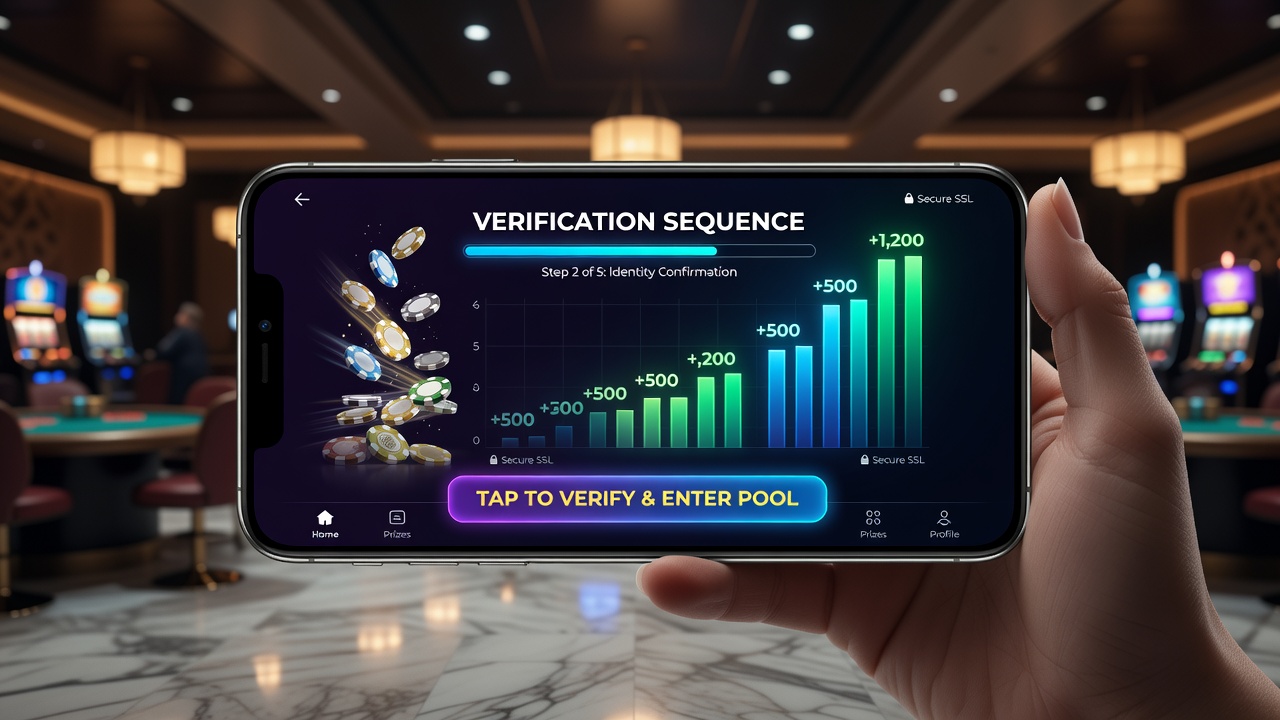
Verification Sequences Dictating Entry into Cumulative Prize Pools Within Smartphone-Based Casino Frameworks
Smartphone-based casino frameworks rely on structured verification sequences that control access to cumulative prize pools, where contributions from multiple players build shared jackpots over time. These sequences typically combine identity confirmation, device authentication, and transaction validation steps before granting eligibility. Research from industry monitoring groups indicates that platforms enforce these layers to maintain compliance with regional gaming regulations while processing entries into progressive systems.
Core Components of Verification Sequences
Verification begins with account creation that requires government-issued identification and biometric data capture through the device camera. Once submitted, automated systems cross-check details against external databases before advancing to secondary stages that include location verification via GPS and IP address analysis. Observers note that successful completion of these steps unlocks participation rights in cumulative pools, whereas incomplete sequences restrict users to standard gameplay without jackpot access.
Additional checks often incorporate behavioral analytics that track session patterns and deposit consistency. Data from platform operators shows that repeated verification triggers can occur after significant balance changes or new device logins, ensuring ongoing eligibility monitoring. In August 2026, several frameworks plan to integrate updated API standards that streamline these processes across operating systems.
Linkage Between Verification and Prize Pool Entry
Cumulative prize pools accumulate through a percentage of wagers placed by verified participants, with entry dictated by the final approval timestamp in the sequence. Players who complete all required steps before a designated cutoff gain proportional shares based on contribution volume. Studies conducted by gaming technology firms reveal that delays in verification directly reduce the number of eligible contributors, affecting overall pool growth rates.
Those who've examined transaction logs find that verified accounts demonstrate higher retention in pool-related activities compared to unverified ones. This pattern holds across multiple regions because regulatory bodies mandate documented proof of identity prior to any progressive reward distribution.

Regulatory Influences on Sequence Design
Regional authorities shape verification requirements through directives that emphasize anti-money laundering protocols and responsible gaming measures. For instance, Nevada Gaming Control Board reports outline mandatory identity verification timelines that mobile operators must follow when managing shared prize structures. Similar frameworks appear in other jurisdictions where cumulative pools operate under licensed conditions.
What's interesting is how these rules intersect with technological capabilities of smartphones. Device-level security features such as secure enclaves and facial recognition now integrate directly into sequence flows, reducing manual review times while meeting audit standards. Research indicates that platforms adopting these integrations report fewer entry disputes related to pool participation.
Technical Implementation Across Platforms
Developers embed verification sequences within app architecture using modular code that allows updates without full redeployment. Each module handles specific checks like document scanning or risk scoring before passing control to the next. Evidence from software audits suggests that seamless integration correlates with higher completion rates among users attempting pool entry.
Cross-platform compatibility presents ongoing challenges because operating system variations affect biometric sensor access and data encryption methods. Yet frameworks that standardize their sequences through common libraries achieve consistent results regardless of device manufacturer. Figures from 2025 deployments show measurable improvements in pool entry success after such standardization efforts.
Case Examples from Current Deployments
One major operator implemented a three-stage sequence that combines initial registration with periodic re-verification tied to prize pool thresholds. This approach resulted in documented increases in verified participants contributing to cumulative totals. Another example involves location-based triggers that activate additional checks when users cross jurisdictional boundaries, preserving eligibility rules across borders.
Take one developer who documented how incorporating machine learning into the sequence reduced false rejections during high-traffic periods. The adjustments maintained security standards while expanding access windows for eligible players. Such adaptations demonstrate the practical impact of verification mechanics on pool dynamics.
Future Adjustments and Industry Trends
Industry organizations continue to refine guidelines around verification for progressive systems. Reports from the Responsible Gambling Council highlight emerging practices that balance access efficiency with player protection requirements. These developments point toward more adaptive sequences capable of responding to real-time risk indicators without disrupting pool participation.
August 2026 marks the scheduled rollout of enhanced interoperability standards among several major providers, which may further synchronize verification processes across smartphone ecosystems. Data collected from pilot programs suggests these changes could streamline entry pathways while preserving regulatory oversight.
Conclusion
Verification sequences serve as gatekeepers that determine eligibility for cumulative prize pools in smartphone-based casino frameworks. Their design incorporates multiple security layers shaped by regulatory demands and technological capabilities. As platforms evolve, the relationship between these sequences and pool access continues to reflect broader industry efforts to maintain compliance and operational integrity across diverse markets.