Seasonal Event Triggers and Their Influence on Cross-Game Reward Accumulation in Digital Wagering Platforms
Written by Devon Lorenz · Jun 13, 2026
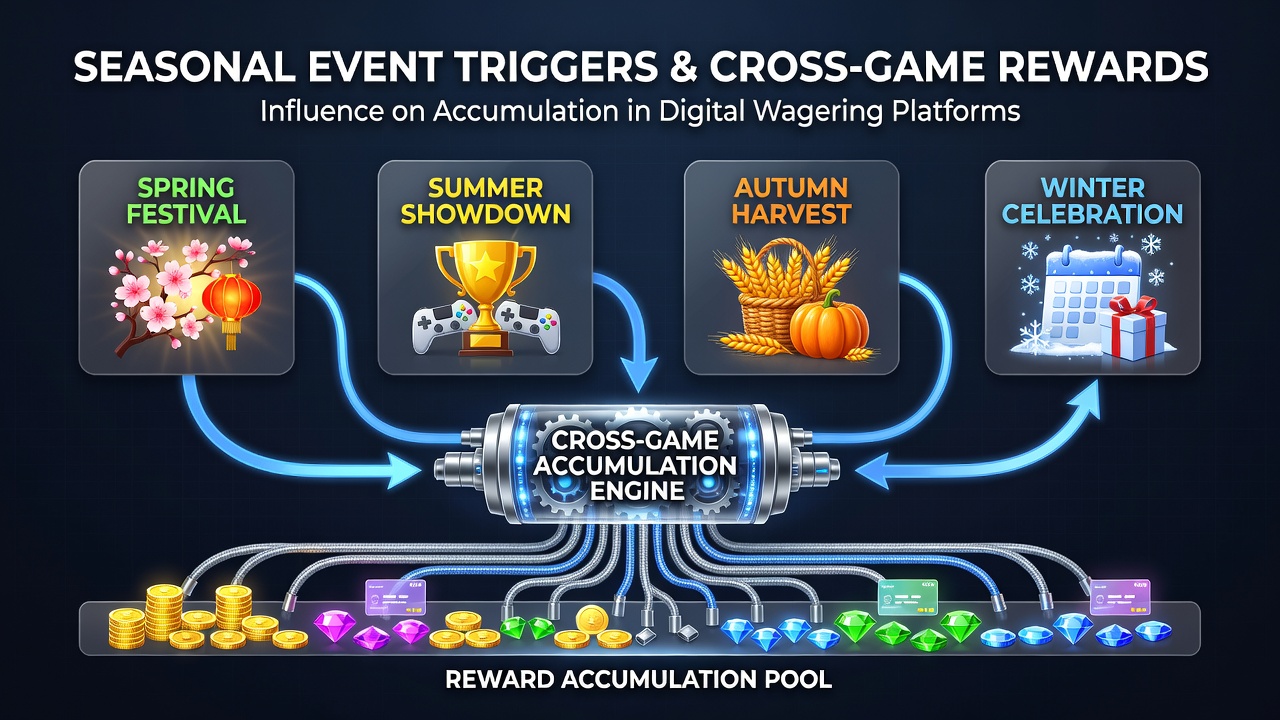
Seasonal Event Triggers and Their Influence on Cross-Game Reward Accumulation in Digital Wagering Platforms
Seasonal event triggers operate as programmed activations within digital wagering platforms that align with calendar periods such as holidays, sports seasons, and cultural observances, and these activations modify reward structures so that progress in one game category carries measurable value into others. Platforms implement these triggers through backend systems that detect user activity spikes during designated windows and then adjust point multipliers or bonus qualifiers accordingly, allowing accumulation to span slot mechanics, table simulations, and live dealer formats without resetting individual game ledgers.
Core Components of Seasonal Triggers in Digital Systems
Operators define seasonal triggers through a combination of date-based flags and performance thresholds that activate when player volume reaches predetermined levels during events like end-of-year celebrations or major tournament cycles. Research from the Canadian Gaming Association indicates that these flags often increase cross-category point conversion rates by 15 to 30 percent during peak seasonal periods, which enables users to transfer earnings from high-volatility reel sessions directly into live table progress trackers. The mechanism relies on unified loyalty ledgers that record every qualifying action across the platform catalog, so a completed seasonal challenge in one vertical immediately updates eligibility metrics in unrelated game types.
Data compiled by the Nevada Gaming Control Board shows consistent patterns where platforms synchronize trigger start dates with external calendars, creating predictable windows for reward acceleration. During these windows the system applies layered multipliers that compound when users meet sequential conditions, such as completing a set number of spins followed by table rounds, and the resulting points feed into a shared pool rather than isolated game counters. This structure prevents fragmentation of user progress and supports sustained engagement across diverse offerings without requiring separate account management steps.
Cross-Game Accumulation Pathways and Platform Architecture
Accumulation pathways function through API-linked modules that translate activity metrics from disparate game engines into a common reward currency, and seasonal triggers enhance this translation by temporarily elevating conversion coefficients. For instance, a platform may assign double value to points earned from sports-themed content during a major league postseason while simultaneously granting accelerated table-game access once a threshold is crossed in reel-based play. Observers note that such adjustments create fluid movement between categories because the underlying architecture maintains a single user profile that tracks cumulative totals irrespective of the originating game.
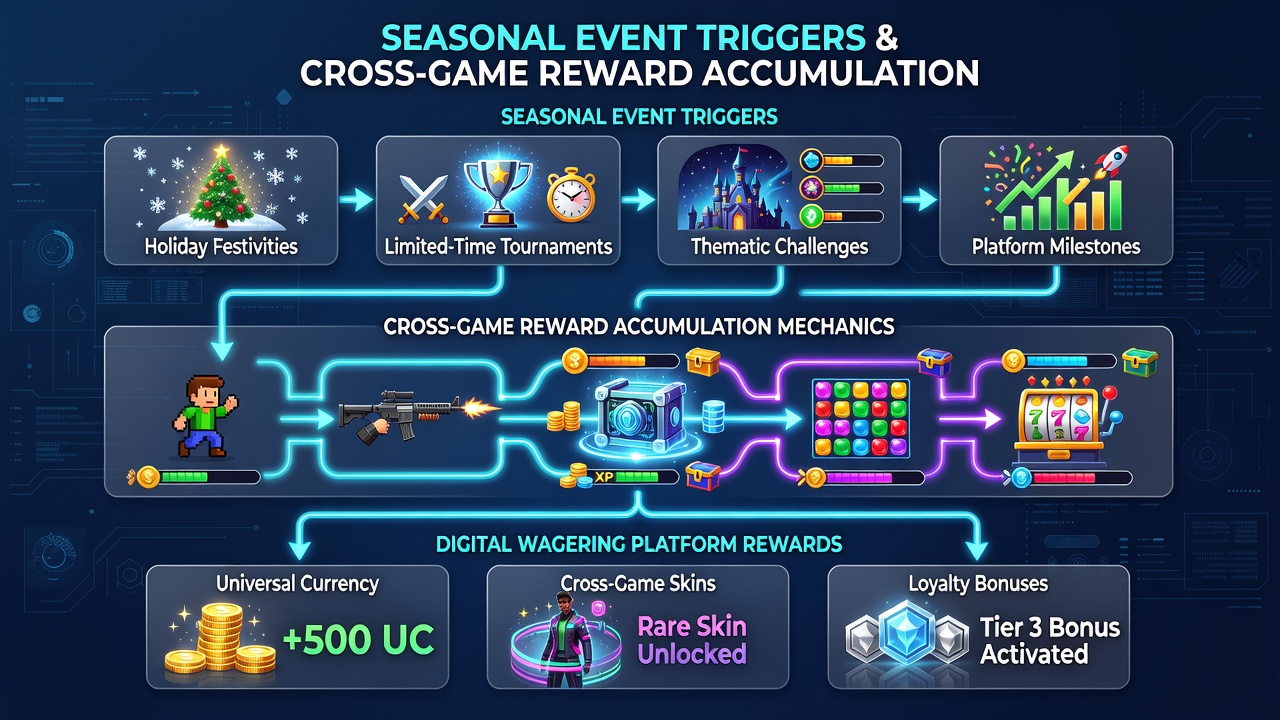
Technical documentation from several major providers reveals that these pathways incorporate real-time synchronization protocols to prevent delays when transferring value between verticals, and seasonal events simply amplify the frequency of such transfers by reducing minimum qualifying amounts. The result appears in aggregated player reports where individuals reach higher loyalty tiers faster during triggered periods than during standard operation cycles, because points collected in one format contribute proportionally to advancement in others. Studies conducted by university-affiliated gambling research centers confirm that platforms employing unified ledgers experience measurable increases in multi-game participation rates when seasonal multipliers are active.
Observed Patterns Across Global Platforms
European operators following guidelines from the European Gaming and Betting Association have documented similar outcomes, where seasonal activations tied to regional festivals produce elevated cross-format point flows compared with non-event intervals. These patterns hold across both desktop and mobile interfaces because the reward engine operates independently of device type and updates continuously as users switch between game categories. Reports further indicate that accumulation velocity rises most sharply when triggers coincide with promotional bundles that reward completion of mixed game sequences rather than single-category marathons.
Platforms continue to refine detection algorithms that identify when seasonal conditions warrant temporary rule changes, and these refinements allow for dynamic scaling based on concurrent user load. The adjustments ensure that reward pools remain balanced while still delivering the accelerated accumulation that defines the seasonal period, and data sets from multiple jurisdictions show repeatable correlations between trigger duration and overall cross-game activity volume.
Conclusion
Seasonal event triggers therefore serve as structured modifiers that expand the reach of reward systems across digital wagering environments, linking otherwise separate game progressions through shared accounting frameworks and elevated conversion parameters. The influence manifests in measurable shifts in how quickly users advance through loyalty structures when activity aligns with calendar-driven activations, and platform architectures maintain these connections via unified ledgers that record contributions from every participating category. Ongoing refinements in trigger timing and multiplier application reflect broader industry efforts to align reward mechanics with predictable seasonal demand patterns.