Patterns in Game Selection Influenced by Transaction Security Features Within Tiered Membership Frameworks
Written by Tina Weber · Jun 27, 2026
Patterns in Game Selection Influenced by Transaction Security Features Within Tiered Membership Frameworks
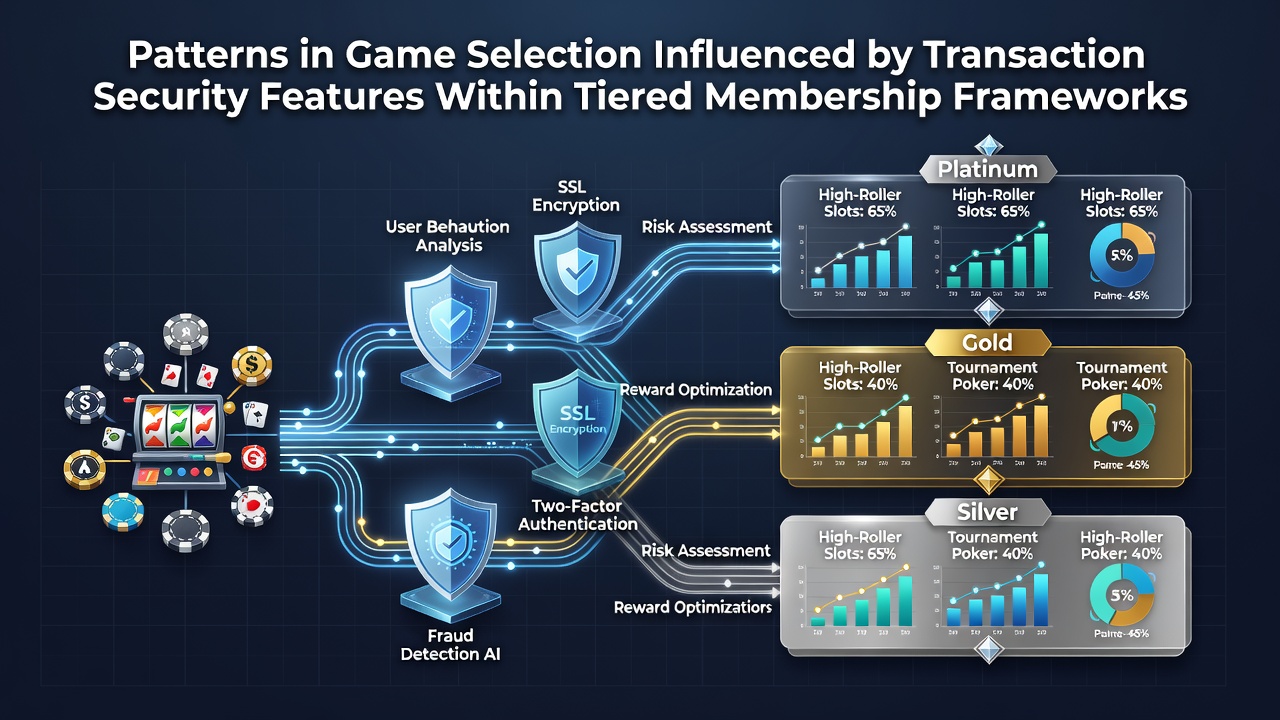
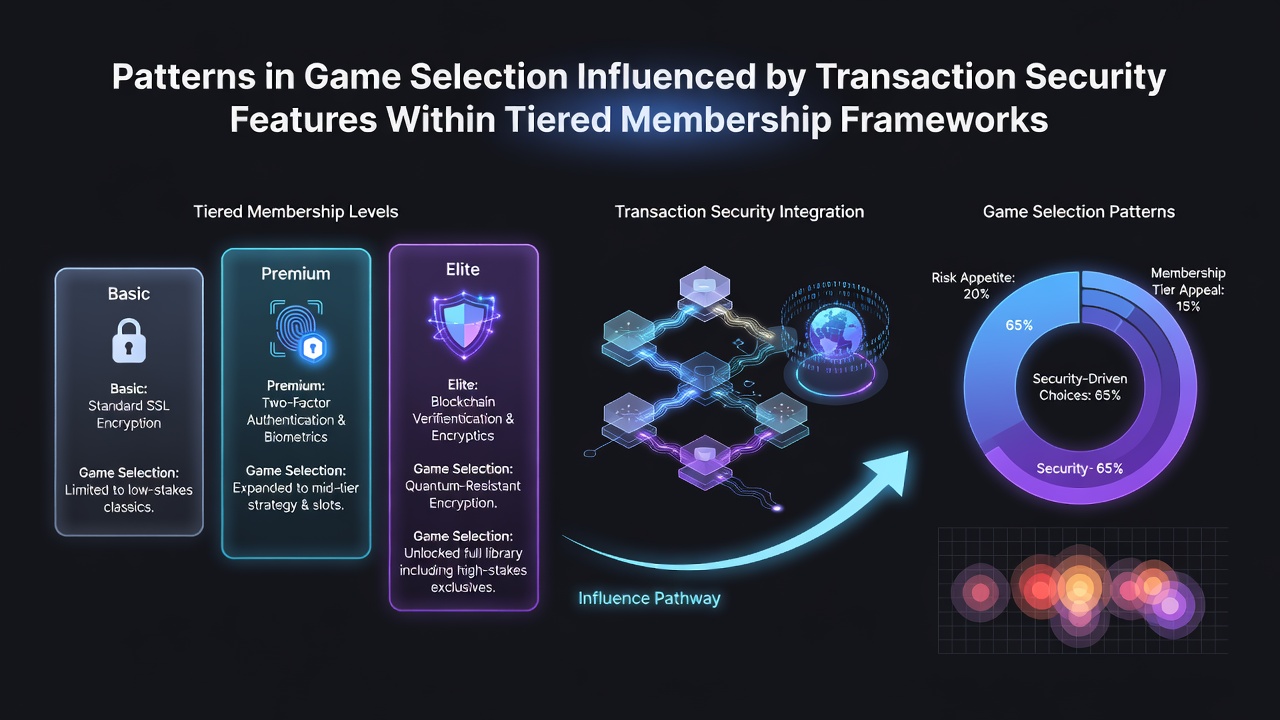
Transaction security features embedded in tiered membership frameworks shape how participants approach game selection across digital wagering platforms, and researchers have documented consistent correlations between encryption standards, verification speeds, and the types of games chosen at each level. Lower tiers often restrict users to basic payment protocols with standard fraud checks, which leads players toward lower-stakes options such as classic slots or simple table variants where smaller transaction volumes reduce exposure.
Security Protocols Across Membership Levels
Higher tiers incorporate multi-factor authentication, real-time monitoring, and elevated withdrawal limits that integrate with advanced game libraries, and this progression allows participants to migrate toward live dealer formats or high-volatility titles once those safeguards activate. Data from multiple jurisdictions shows that users who reach mid-tier status demonstrate a measurable shift, with selection rates for progressive jackpot games rising as secure transfer options expand.
Observers note that platforms adjust security parameters dynamically, and this adjustment influences whether individuals pursue frequent small bets or occasional larger wagers. In regions monitored by the Nevada Gaming Control Board, tier upgrades correlate with increased engagement in titles requiring rapid deposit cycles, because the added verification layers minimize processing delays that otherwise deter such activity.
Documented Selection Shifts by Tier
Studies tracking player behavior reveal that entry-level accounts favor RNG-based slots with fixed paylines, whereas premium tiers see elevated play in interactive live environments where transaction security supports seamless in-game purchases. Those who've examined aggregated platform metrics find that enhanced encryption and instant confirmation tools reduce hesitation around games featuring side bets or multiplier mechanics, because the perceived risk of fund movement decreases substantially.
What's interesting is how these patterns hold across different regulatory environments, and figures from Australian oversight bodies indicate similar migration toward strategy-heavy table games once biometric login and tokenized payments become available at upper levels. Participants in these frameworks often discover that security enhancements free them to explore titles with variable return-to-player structures without repeated interruptions for manual reviews.
Regional Patterns and June 2026 Developments
European markets under varying national frameworks display parallel trends, with higher-tier members gravitating toward live roulette variants once transaction channels incorporate end-to-end encryption and automated compliance checks. Canadian provincial regulators have reported comparable data, where loyalty elevation pathways tied to secure funding methods coincide with greater selection of multi-hand blackjack options that benefit from quicker settlement times.
June 2026 marks a notable point for several operators implementing updated security modules across their tier structures, and these rollouts are expected to further refine how game libraries appear to members at each stage. Industry reports suggest the changes will standardize certain verification protocols, which in turn may accelerate the movement from basic reel games toward more complex live offerings in upper tiers.
Transaction Speed and Game Complexity
Transaction speed serves as a practical gatekeeper, and platforms that deliver sub-minute processing in elite tiers see participants experiment with games demanding higher engagement such as poker variants or themed adventure slots. Research indicates that when security features eliminate repeated authentication prompts, selection patterns tilt toward titles with layered bonus rounds because the friction of funding those rounds diminishes.
One study revealed that users experiencing fewer declined transactions at advanced levels increased their average session duration in live environments, whereas those remaining in entry tiers maintained steadier but narrower preferences for automated formats. These observations hold whether the underlying platform operates under U.S. state licensing or international standards, demonstrating the broad reach of security-driven behavioral patterns.
Conclusion
Patterns linking transaction security features to game selection within tiered membership frameworks continue to emerge from platform analytics and regulatory data across multiple continents. As operators refine these systems, particularly around the June 2026 timeline, the connections between verification robustness and preferred game types are likely to become even more pronounced, shaping access pathways for participants at every level.