Navigating Encryption Protocols and Feature Trigger Frequencies in Loyalty Tier Progressions Across Digital Reel Platforms
Written by Tina Weber · Aug 6, 2026
Navigating Encryption Protocols and Feature Trigger Frequencies in Loyalty Tier Progressions Across Digital Reel Platforms
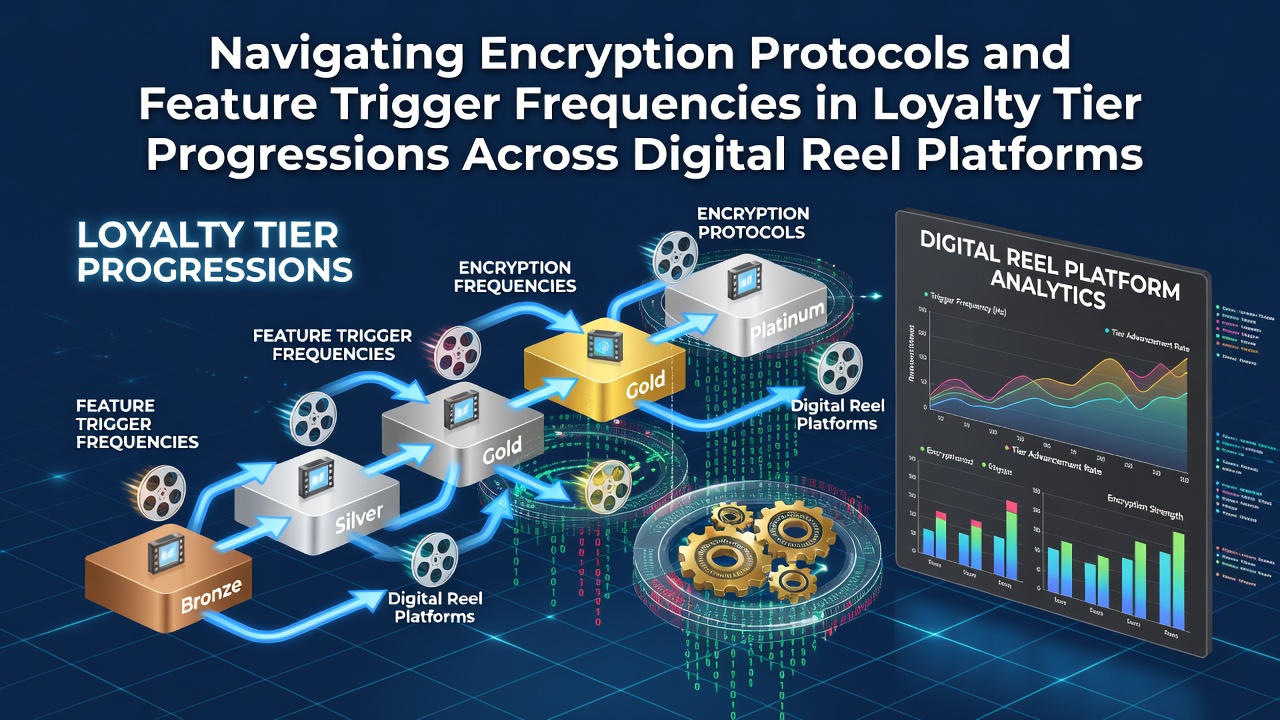
Digital reel platforms rely on layered encryption protocols to protect player accounts and transaction records while feature trigger frequencies determine how often bonus rounds activate during slot sessions, and these two elements combine to shape progression rates through loyalty tiers. Operators apply standards such as AES-256 alongside TLS 1.3 handshakes to encrypt session data, which in turn supports real-time tracking of spins and points without exposing sensitive identifiers.
Encryption Standards in Platform Architecture
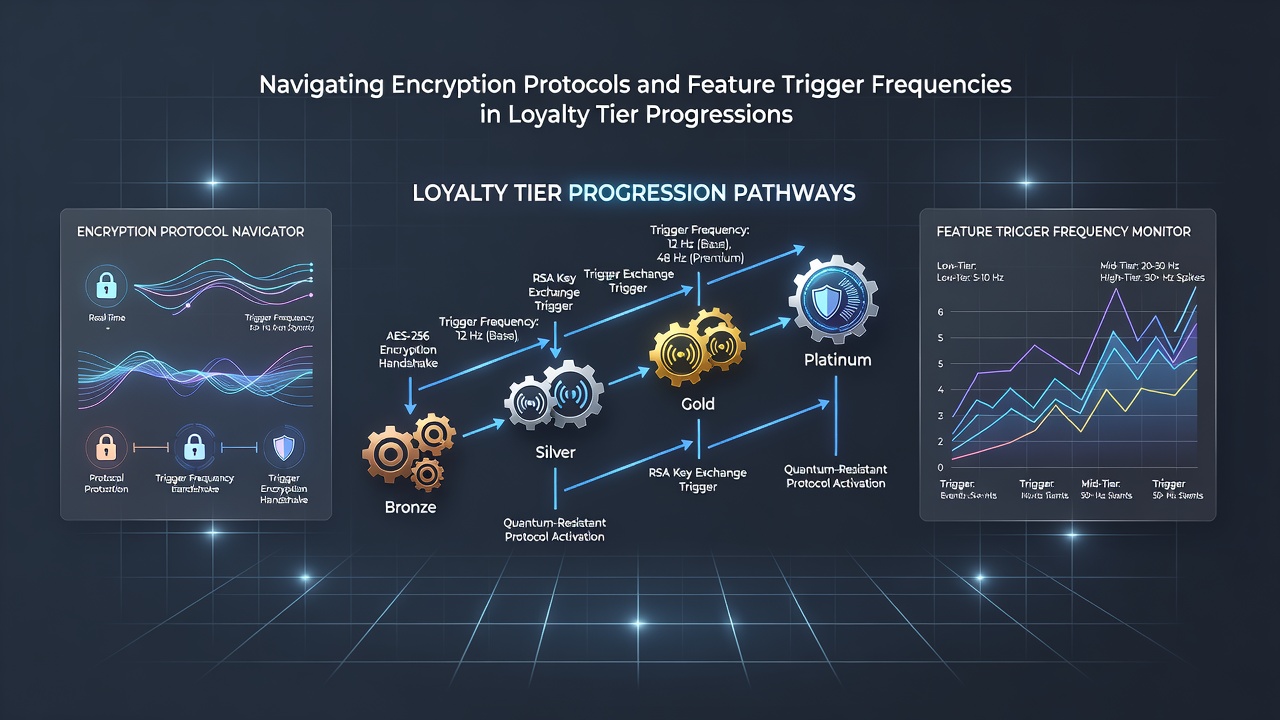
Research from the Australian Communications and Media Authority shows that platforms must maintain end-to-end encryption for all loyalty data exchanges, and this requirement extends to API calls that log feature triggers because regulators audit these logs for compliance. Observers note that shorter key rotation intervals, often set at 24-hour cycles, reduce exposure windows while still permitting continuous collection of trigger statistics that feed into tier calculations.
Platforms integrate hardware security modules to store encryption keys separately from game servers, and this separation allows feature frequency algorithms to run at full speed without decryption delays. Data indicates that systems using elliptic curve cryptography for key exchanges experience fewer latency spikes during high-volume play periods, which helps maintain accurate point accrual across loyalty levels.
Feature Trigger Frequencies and Point Accumulation
Feature trigger frequencies refer to the mathematical probability that bonus elements such as free spins or multipliers activate on any given reel combination, and these rates directly influence how quickly players accumulate the activity metrics required for tier advancement. Studies from the University of Nevada Gaming Innovation Lab reveal that titles with trigger rates between 1 in 80 and 1 in 120 spins generate steadier point streams compared with lower-frequency designs, because consistent activations keep engagement metrics elevated over longer sessions.
Operators adjust these frequencies through server-side configuration files that remain encrypted during transmission, and the same encryption layer verifies that no external tampering alters the published rates. Figures reveal that platforms reporting average trigger intervals of 95 spins see loyalty program retention rise by measurable margins when compared against titles exceeding 150-spin gaps.
Intersection of Security and Progression Mechanics
Encrypted data pipelines carry both trigger event logs and loyalty point updates in a single authenticated stream, and any mismatch between expected and recorded frequencies can flag an account for review before tier status changes. In August 2026 several North American operators introduced enhanced protocol versions that embed trigger metadata directly into encrypted payloads, reducing reconciliation errors that previously delayed tier upgrades.
Those who monitor platform performance observe that higher encryption overhead occasionally correlates with brief throttling of real-time feature calculations, yet modern implementations using parallel processing maintain sub-50-millisecond response times for point updates. This balance ensures that players experience uninterrupted progression even during peak trigger events.
Regional Regulatory Influences
Canadian provincial regulators require documented proof that encryption protocols do not inadvertently suppress feature frequency reporting, adn compliance reports must include statistical samples of trigger distributions across all loyalty-eligible titles. Similar frameworks in select European jurisdictions tie encryption audit trails to player protection metrics, creating cross-border consistency for operators managing multi-region reel platforms.
Industry reports compiled by the European Gaming and Betting Association document that platforms passing annual penetration tests on their encryption layers receive faster approval for loyalty program expansions, because regulators trust the integrity of the underlying trigger data. These approvals allow operators to introduce new tier benefits tied directly to verified feature activation counts.
Conclusion
Encryption protocols and feature trigger frequencies operate as interconnected components within loyalty tier systems on digital reel platforms, with each element supporting accurate tracking and secure progression. Continued updates to both technical standards and frequency configurations, including those implemented around August 2026, demonstrate how platforms adapt these mechanics to meet evolving operational and regulatory demands while preserving data integrity across player accounts.