Mapping Reel Feature Interactions to Funding Channel Choices Within Loyalty Elevation Pathways
Written by Zara Russell · May 26, 2026
Mapping Reel Feature Interactions to Funding Channel Choices Within Loyalty Elevation Pathways
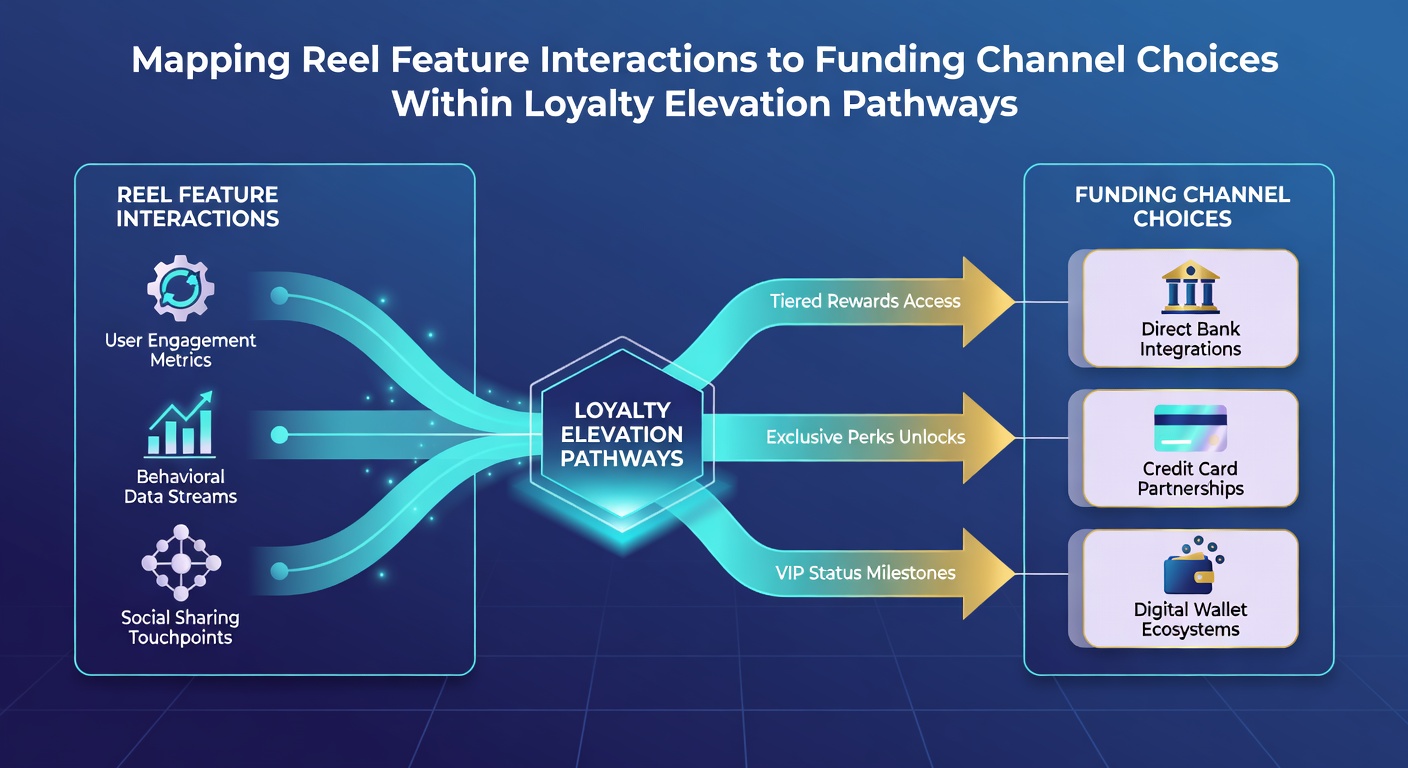
Slot machine reel interactions create measurable patterns that influence how players select funding channels during progression through casino loyalty structures, and industry analyses track these connections across multiple jurisdictions. Reel elements such as wild symbols, scatter triggers, and bonus round activations generate specific engagement metrics that correlate with deposit behaviors, according to aggregated transaction data compiled by operators in regulated markets. Those patterns emerge when players encounter high-frequency feature hits that prompt immediate decisions on payment options to sustain session momentum or unlock tier benefits.
Operators structure loyalty elevation pathways around point accumulation tied to wager volume and feature engagement levels, while funding channel preferences shift based on transaction speed and fee structures. Research from the University of Nevada's gaming studies department shows that players who trigger multiple bonus rounds within a single session often switch to instant funding methods like digital wallets to maintain play continuity without interruption. This mapping process reveals clusters where certain reel mechanics align with particular channels, such as credit card deposits following extended free spin sequences that require top-up funding.
Reel Feature Mechanics and Engagement Triggers
Reel features operate through layered probability systems that determine activation rates, and these rates feed directly into loyalty tracking algorithms used by casino platforms. Multiplier symbols and cascading reel mechanics produce extended play sequences that data logs associate with higher average transaction sizes when players advance toward mid-tier loyalty thresholds. Observers note that progressive jackpot interactions on reels frequently precede selections of bank transfer options among players aiming for elevated status markers within structured reward ladders.
Feature frequency influences session duration, which in turn shapes funding channel selection because longer engagements demand repeated deposits to capitalize on active bonuses. Reports from the Canadian Gaming Association indicate that scatter-triggered events correlate with a measurable uptick in e-wallet usage during loyalty point accumulation phases, especially in markets where instant processing supports continuous reel interaction without downtime. These correlations appear consistent across both land-based and digital environments, though the specific channel preferences vary by regional payment infrastructure.
Funding Channel Characteristics in Loyalty Contexts
Each funding channel carries distinct processing attributes that intersect with loyalty pathway requirements, including verification timelines and reward multipliers attached to deposit types. Credit and debit card transactions provide established security protocols that align with loyalty programs emphasizing verified play history for tier advancement. Meanwhile, prepaid voucher systems and cryptocurrency options appear in datasets when players seek lower-visibility funding routes during reel sessions that accumulate rapid point totals.
Transaction cost structures and settlement speeds determine channel viability within elevation pathways, since loyalty algorithms often award bonus points based on deposit method alongside wager amounts. Data compiled through May 2026 regulatory filings in several U.S. states shows increasing integration between reel analytics platforms and payment processors to identify which channels support sustained feature engagement leading to VIP qualification. Players who navigate these pathways encounter mapped recommendations that connect specific reel outcomes to optimized funding selections for efficient progression.
Interaction Mapping Methodologies
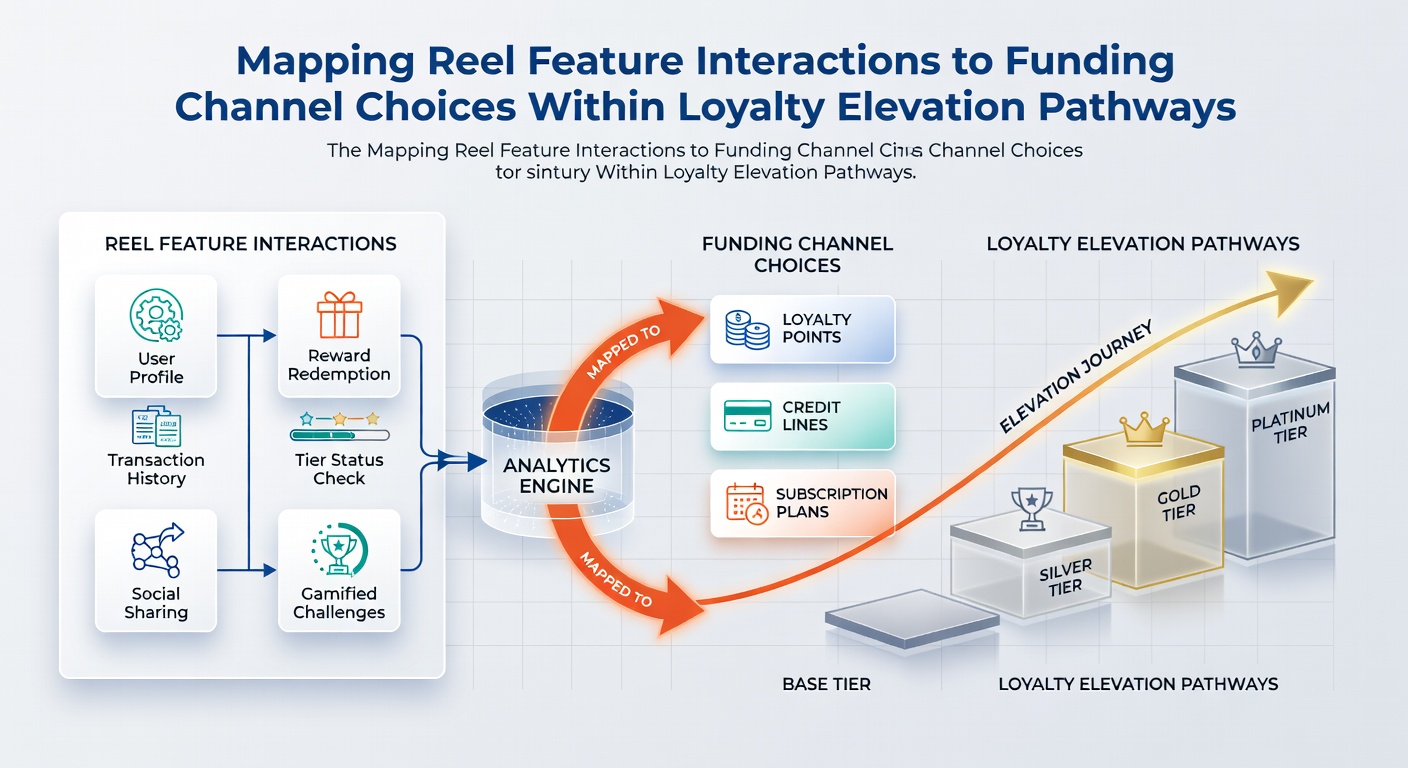
Mapping techniques combine session telemetry from reel engines with transaction records to produce visualizations of feature-to-channel pathways, and these models help operators refine loyalty incentives. Cluster analysis applied to reel event logs reveals that expanding wild interactions frequently precede shifts toward mobile-optimized funding channels among players targeting accelerated tier climbs. Such mappings rely on anonymized datasets that preserve player privacy while highlighting aggregate behavioral trends across loyalty segments.
Academic examinations from institutions including the Australian Gambling Research Centre have documented how bonus round completions create decision points where players evaluate funding options based on remaining loyalty point deficits. These examinations demonstrate that certain reel configurations, such as stacked symbol drops, associate with higher adoption rates of direct bank integrations when players pursue top-tier status within defined timeframes. The resulting maps support predictive adjustments to loyalty structures that align funding incentives with observed feature interaction sequences.
Regional Variations and Implementation Trends
Implementation of these mappings differs across regulatory environments, with European operators incorporating feature-channel analytics into responsible gaming protocols that monitor loyalty progression rates. In contrast, North American platforms emphasize operational efficiency gains from identifying which reel features drive preferred deposit volumes for tier elevation. Figures released through industry consortiums show steady adoption of integrated tracking systems that connect reel telemetry directly to funding channel performance indicators through the first half of 2026.
Cross-border comparisons highlight how local payment regulations shape the available channel options that appear in loyalty pathway mappings. Operators in jurisdictions with strong digital payment adoption report tighter correlations between high-volatility reel features and instant funding selections, whereas traditional banking channels dominate in regions wth established card-based infrastructures. These variations inform the development of localized loyalty elevation models that respect both regulatory constraints and observed player interaction patterns.
Conclusion
The systematic mapping of reel feature interactions to funding channel choices provides operators with structured insights into loyalty elevation dynamics across diverse markets. Aggregated data from multiple sources continues to refine these connections, supporting more precise alignment between game mechanics and payment systems within established reward frameworks. As platforms update their analytics capabilities through 2026, the resulting pathways offer clearer visibility into how specific reel events influence deposit behaviors during tier progression sequences.