Mapping Oversight Shifts to Progressive Access Pathways in Digital Wagering Networks
Written by Nils Bennett · Jun 9, 2026

Mapping Oversight Shifts to Progressive Access Pathways in Digital Wagering Networks
Regulatory frameworks in digital wagering continue to evolve as authorities adjust compliance requirements and risk assessment protocols across multiple jurisdictions, and these adjustments directly influence how operators structure progressive access pathways for users seeking higher-tier services and features. Observers note that shifts in oversight often translate into modified criteria for loyalty program advancement, where verification processes, transaction monitoring thresholds, and responsible gaming flags determine the pace at which participants move through access levels.
Regulatory Adjustments Across Jurisdictions
Agencies in North America and Europe have introduced updated risk-based approaches that require operators to recalibrate their internal controls, while data from the Financial Transactions and Reports Analysis Centre of Canada indicates that enhanced customer due diligence protocols now feed directly into automated systems that gatekeep premium platform functionalities. These systems evaluate player behavior patterns against regulatory benchmarks, and successful navigation of those benchmarks opens pathways to expanded betting limits, personalized game selections, and expedited withdrawal options. Researchers at the University of Nevada, Reno documented how similar adjustments in several U.S. states led operators to embed compliance checkpoints at each loyalty tier boundary, creating a mapped relationship between oversight intensity and access velocity.
Progressive Access Mechanisms in Platform Architecture
Digital wagering networks typically organize user progression through layered permission structures where initial registration grants basic functionality and subsequent activity plus verification steps unlock additional capabilities, and oversight shifts frequently modify the weight assigned to each step. Operators integrate real-time monitoring tools that flag anomalies aligned with anti-money laundering directives, which in turn affects the rate at which accounts advance to VIP designations. Figures released by the European Gaming and Betting Association reveal that platforms incorporating dynamic compliance scoring experienced measurable changes in tier migration speeds following recent regulatory updates, particularly when transaction volume thresholds were tightened.
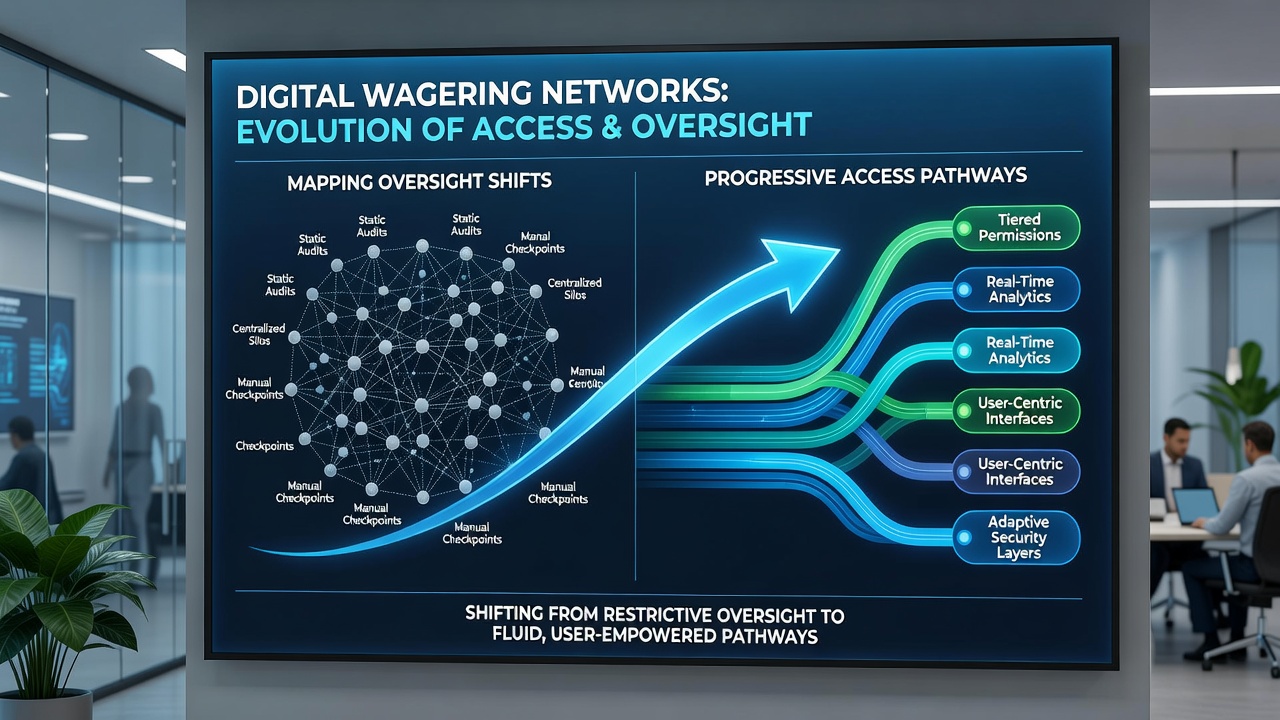
Platform developers respond by adjusting algorithmic pathways so that players who maintain clean compliance records encounter fewer friction points, whereas those triggering review flags face temporary holds that slow their ascent. This mapping process ensures regulatory expectations remain embedded within the mechanics of reward accumulation and feature unlocking.
Interaction Between Oversight Changes and Loyalty Pathways
Changes in reporting obligations or player protection standards often prompt operators to revise the data points they track for tier qualification, and analysts observe that such revisions create new bottlenecks or accelerators depending on how strictly the new rules are applied. In one documented implementation, an operator in Australia aligned its loyalty progression model with updated responsible gambling indicators supplied by state regulators, resulting in players who completed voluntary limit-setting exercises receiving accelerated access to live dealer environments. Studies conducted by the Australian Institute of Criminology further illustrate how these alignments produce measurable differences in session duration and feature engagement once oversight parameters are recalibrated.
Operators also maintain audit trails that link specific compliance events to access decisions, allowing regulators to trace how oversight modifications propagate through the network architecture. This traceability supports enforcement activities while giving platform teams clear guidance on where to insert additional verification gates without disrupting overall user flow.
Implementation Timelines and Operational Responses
Industry participants have scheduled system updates for mid-2026 to accommodate forthcoming regulatory refinements, with several major platforms targeting June 2026 for the rollout of revised access algorithms that incorporate expanded oversight data fields. These updates require coordination between compliance teams and software engineers so that new mapping rules integrate seamlessly with existing loyalty databases and payment processing modules. Observers note that early adopters who completed preliminary testing phases reported smoother transitions when oversight criteria were introduced incrementally rather than as single large-scale overhauls.
Conclusion
The relationship between regulatory oversight adjustments and progressive access pathways in digital wagering networks continues to strengthen as operators embed compliance metrics into core platform logic, and this integration produces structured progression models that respond dynamically to external rule changes. Data from multiple jurisdictions demonstrates consistent patterns where oversight intensity correlates with the speed and conditions of tier advancement, while technical implementations ensure traceability and operational continuity remain intact during transition periods.