Investigating Compliance Standard Shifts and Their Effects on Feature Interactions Within Licensed Virtual Entertainment Networks
Written by Xander Lang · Aug 8, 2026

Investigating Compliance Standard Shifts and Their Effects on Feature Interactions Within Licensed Virtual Entertainment Networks
Regulatory bodies across multiple regions have updated compliance frameworks for licensed virtual entertainment networks in recent years, and these adjustments directly influence how game features interact within digital platforms. Observers note that changes in data handling requirements, user verification protocols, and transaction monitoring rules create new constraints on bonus systems, reward pathways, and cross-game mechanics that operators must navigate while maintaining operational integrity.
Background on Evolving Compliance Frameworks
Virtual entertainment networks operate under layered oversight that combines national laws with industry-specific guidelines, and shifts occur when agencies revise risk assessment models or introduce stricter reporting on user activity patterns. Data from regulatory filings shows that updates often target anti-money laundering controls and responsible gaming measures, which in turn affect how platforms manage feature triggers such as progressive jackpots, loyalty multipliers, and interactive leaderboards. Researchers at institutions studying digital gaming ecosystems have documented cases where altered verification steps delay feature activation sequences, forcing developers to redesign timing logic and data flows between modules.
One notable development involves expanded requirements for real-time transaction logging that connect directly to feature eligibility checks, and this linkage means any modification in one area ripples through others. Those who analyze platform architecture report that compliance teams now participate earlier in feature planning stages, ensuring that interactions between elements like deposit bonuses and table game progressions align with updated audit trails.
Key Shifts Observed in 2025 and 2026
Agencies in North America and parts of Asia implemented revised standards during 2025 that emphasize granular user segmentation, and these changes carried forward into 2026 with additional emphasis on cross-border data transfers. In August 2026 several jurisdictions began enforcing enhanced encryption mandates for session data that feeds into reward calculation engines, prompting operators to recalibrate how features exchange information across servers. Reports from the International Association of Gaming Regulators indicate that such timing adjustments reduced certain cross-promotional interactions by measurable margins while increasing processing overhead for compliant configurations.
European regulators introduced parallel updates focused on algorithmic transparency in personalization tools, and these rules intersect with virtual entertainment feature sets by requiring disclosure of how user behavior influences reward eligibility. Platforms responded by mapping internal feature dependencies more explicitly, which allowed auditors to trace interactions without exposing proprietary code. The result appears in revised APIs that isolate sensitive calculations while preserving seamless user experiences.
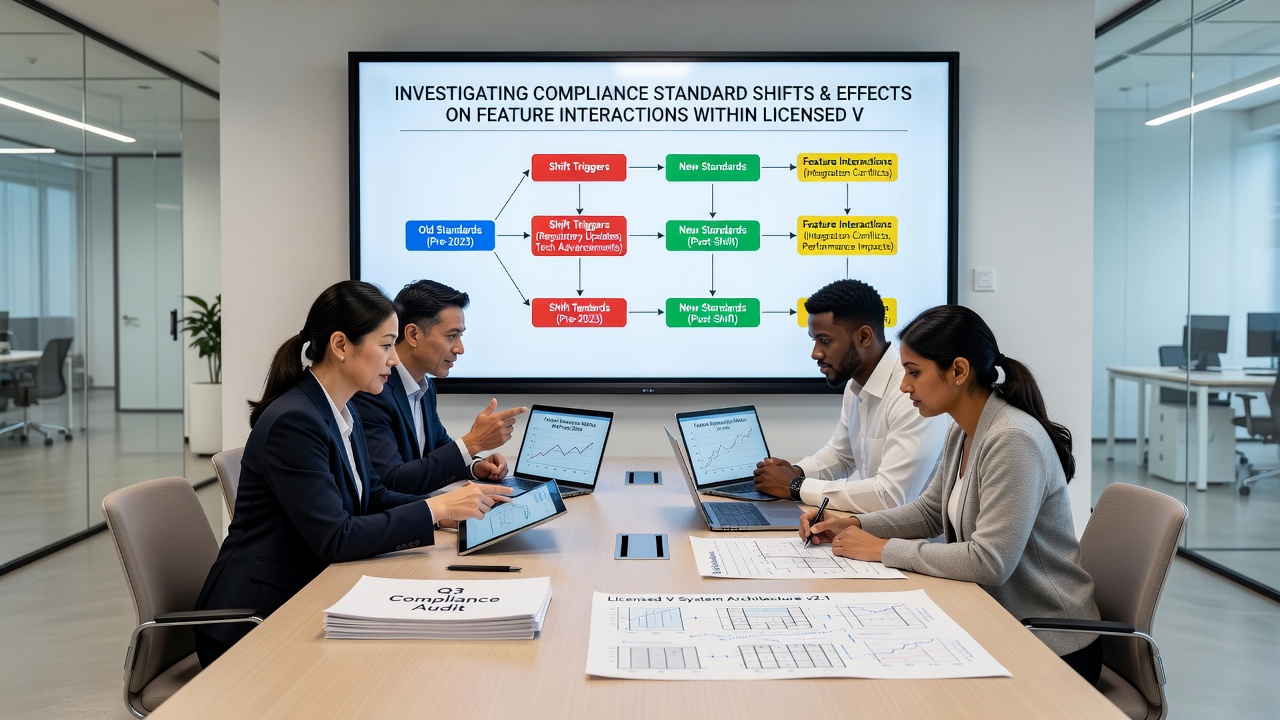
Effects on Feature Interactions
Feature interactions within these networks often rely on shared data states for elements such as streak counters, tiered bonuses, and event-triggered multipliers, yet compliance shifts introduce validation layers that can interrupt or redirect those flows. Studies of licensed platforms reveal that stricter identity confirmation steps sometimes pause progression mechanics until verification completes, altering the pacing of player advancement through loyalty pathways. Operators have adjusted by creating buffered states that maintain feature continuity while satisfying audit checkpoints, a technique documented in technical papers from gaming technology conferences.
Transaction monitoring enhancements also reshape how funding channels connect to game mechanics, and this connection influences everything from instant reward redemptions to accumulated point conversions. Data shows platforms that integrated modular compliance gateways experienced fewer disruptions during transition periods, whereas legacy systems required extensive refactoring to prevent feature conflicts. Analysts tracking these networks note that the ball remains in the operators' court when determining which interaction pathways receive priority during updates.
Regional Variations and Implementation Examples
Canadian provincial regulators advanced risk-based oversight models in early 2026 that differ from approaches taken in Australian jurisdictions, and these differences produce distinct effects on how virtual entertainment features synchronize across mobile and desktop environments. One documented case involved a multi-jurisdictional operator that reconfigured its bonus engine to accommodate both sets of rules, resulting in segmented feature availability based on user location. Similar patterns emerged in Singapore, where authorities updated guidelines on digital wallet integrations, leading developers to isolate certain interactive elements until transaction logs cleared compliance filters.
Industry reports compiled by research groups at universities specializing in digital media highlight that successful adaptations often involve phased rollouts, allowing teams to test feature interactions under simulated regulatory loads before full deployment. These approaches minimize downtime while ensuring that shifts in standards do not cascade into widespread service interruptions.
Conclusion
Compliance standard shifts continue to reshape feature interactions across licensed virtual entertainment networks as operators adapt systems to meet evolving requirements in data security, verification, and transaction oversight. Evidence from regulatory filings and technical analyses demonstrates that proactive integration of compliance considerations into feature design reduces friction and supports sustained platform functionality. As updates scheduled around August 2026 take effect, networks that maintain flexible architectures stand positioned to handle further adjustments without compromising core interactions.