How Regional Preferences Shape Specialized Game Variants and Funding Pathways in Worldwide Digital Wagering Networks
Written by Nils Bennett · Jul 7, 2026
How Regional Preferences Shape Specialized Game Variants and Funding Pathways in Worldwide Digital Wagering Networks
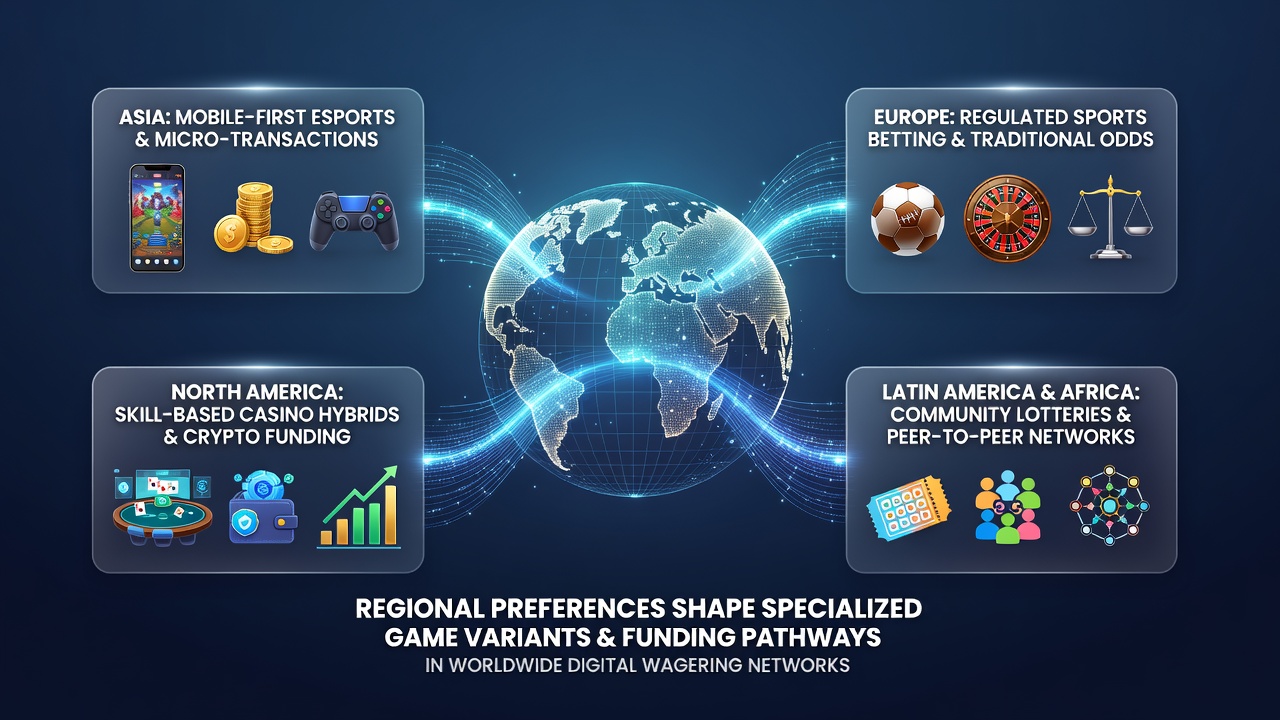
Digital wagering networks operate across borders yet adapt sharply to local tastes and infrastructure, with regional preferences driving both the creation of specialized game variants and the selection of funding pathways that support them. Markets in Asia prioritize fast-paced table game adaptations while European platforms emphasize rule variations that align with established player habits, and these differences extend directly into payment systems that range from mobile wallets dominant in Southeast Asia to bank transfers favored in parts of North America.
Cultural Factors Driving Game Variant Development
Game developers respond to documented regional demand patterns by introducing localized mechanics that reflect historical play styles, and data from multiple jurisdictions show higher engagement when titles incorporate familiar symbols or pacing. In East Asian markets operators have expanded baccarat side bets and live dealer formats that mirror land-based casino traditions, whereas North American platforms feature video poker variants with progressive elements tuned to frequent small-stake sessions. Observers note that these adaptations occur because operators track play data indicating which features retain users longest within each geographic segment.
Regulatory environments further channel variant creation since licensing requirements in different countries dictate allowable return-to-player ranges and feature disclosures, and platforms therefore design separate versions rather than applying one global build. Australian operators, for instance, integrate skill-based bonus rounds into slot titles to comply with local content rules, while similar games in other regions retain purely random outcomes.
Payment Infrastructure Aligning with Regional Habits
Funding pathways emerge from the same preference data because players select methods they already use for everyday transactions, and networks that support those channels see faster deposit volumes. Southeast Asian markets rely heavily on e-wallet integrations tied to popular messaging apps, enabling instant top-ups that match high-frequency mobile play sessions, and European jurisdictions maintain stronger links to traditional banking rails that offer established consumer protections. North American platforms meanwhile blend card processing with emerging cryptocurrency options in states where regulations permit them.
These payment alignments influence game availability because transaction speed affects session length and therefore which variants operators promote within loyalty structures. Faster funding methods correlate with increased play on live dealer tables that require continuous participation, whereas slower bank transfers pair more often with session-based slot formats that tolerate interruptions.
Interconnections Between Variants and Funding Channels
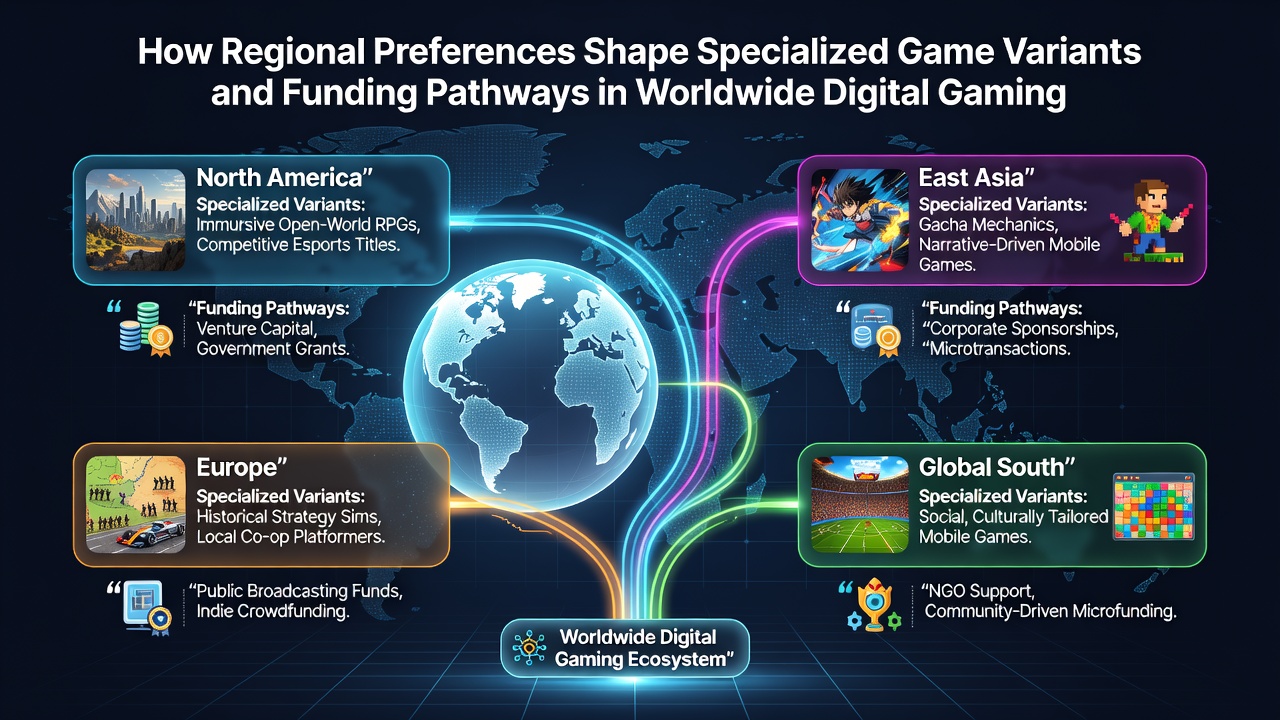
Networks map player location data to both game catalogs and payment menus simultaneously, creating feedback loops where popular funding methods support the continued refinement of regionally successful variants. Research from academic institutions tracking digital gambling patterns reveals that users in markets with dominant mobile payment ecosystems gravitate toward games featuring frequent small wins that complement quick deposit and withdrawal cycles. In contrast, regions with slower payment rails exhibit stronger retention on titles with longer bonus rounds that extend play between transactions.
July 2026 brought updated reporting requirements from several oversight bodies that now require platforms to segment performance metrics by both game type and funding method, and this granularity allows operators to adjust variant offerings and payment partnerships more precisely. Canadian regulatory filings, for example, illustrate how provincial data on preferred deposit channels guide the rollout of new table game adaptations tailored to those same user groups.
Industry associations such as the Canadian Gaming Association have documented similar patterns across multiple provinces, while reports from the Australian Communications and Media Authority highlight parallel trends in Oceania where localized slot features coincide with specific e-wallet integrations. These documented alignments demonstrate that regional preferences function as a primary driver rather than a secondary consideration in network architecture.
Case Examples from Distinct Markets
Platforms serving Latin American users have introduced crash-style games paired with instant digital currency transfers because transaction records show elevated activity during short evening windows, and developers continue refining volatility settings to match those documented play windows. European operators meanwhile maintain multiple blackjack rule sets across single networks, each linked to payment options that historically process higher average transaction values.
Cross-border operators maintain separate backend configurations for each major market because unified systems cannot accommodate the documented differences in both game mechanics and settlement speeds, and attempts to standardize across regions have produced measurable drops in both engagement and deposit conversion rates according to internal platform analytics shared with regulators.
Conclusion
Regional preferences continue to determine which game variants reach prominence and which funding pathways receive priority investment within worldwide digital wagering networks, with data segmentation practices introduced in July 2026 providing clearer visibility into these connections. Operators that align variant development and payment support with verified local patterns maintain stronger user retention across diverse jurisdictions, while the underlying mechanisms remain rooted in measurable differences in player behavior and regulatory frameworks rather than uniform global strategies.