How Algorithmic Matching Systems Steer Progression Routes Through Layered Access Tiers in Browser-Based Entertainment Networks
Written by Nils Bennett · Aug 30, 2026
How Algorithmic Matching Systems Steer Progression Routes Through Layered Access Tiers in Browser-Based Entertainment Networks
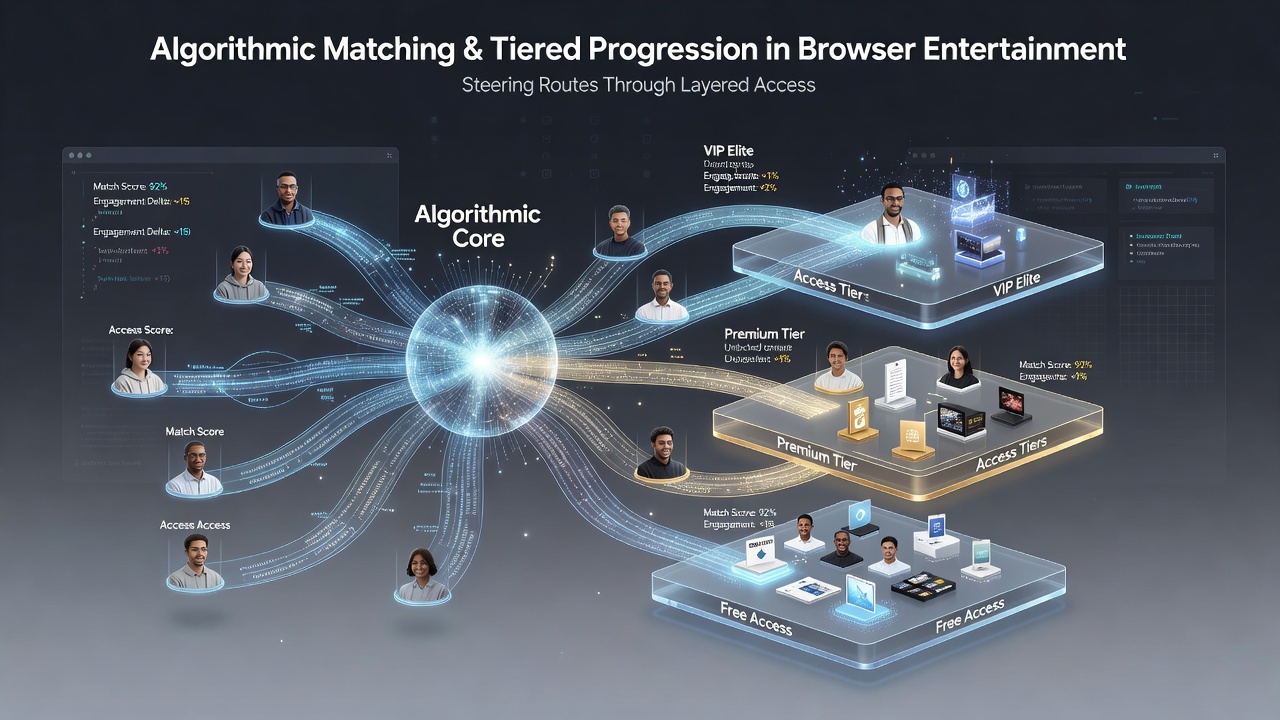
Browser-based entertainment networks rely on algorithmic matching systems that analyze player behavior data, session patterns, and engagement metrics to assign users to specific progression routes, and these systems operate across multiple layers where each tier unlocks new features only after certain thresholds are met. Researchers at institutions studying digital platforms have documented how such algorithms process inputs like time spent in sessions, interaction frequency, and resource accumulation to determine which pathways open next, while data from industry reports shows that matching occurs in real time to balance loads across servers and maintain network stability.
Core Mechanisms Behind Matching Algorithms
Algorithms collect signals from browser sessions including device type, connection speed, and historical choices, then apply weighted models that prioritize certain variables over others, and this process directs users toward routes that align with their demonstrated activity levels. Studies indicate that layered tiers function as checkpoints where access expands gradually, for example moving from basic content in entry tiers to collaborative modes or advanced customization options in higher ones, yet the transition depends on sustained matching criteria rather than simple completion of tasks. Observers note that these systems often incorporate feedback loops so that recent performance influences future assignments, and this creates dynamic routes that shift based on ongoing data streams.
Layered Access Structures and Their Influence on User Routes
Access tiers in these networks typically stack from foundational levels that grant entry to core environments up through intermediate stages offering expanded social features and finally to premium layers with specialized content, while algorithmic steering ensures that progression aligns with network-wide patterns observed across user bases. According to findings from academic analyses of digital entertainment ecosystems, the matching process evaluates compatibility between individual profiles and tier requirements, which can accelerate or delay advancement depending on how closely behavior matches predefined success indicators. Platforms implement these layers to manage resource distribution efficiently, and evidence from technical documentation reveals that sudden spikes in activity may trigger re-matching to alternative routes that prevent overload on popular features.
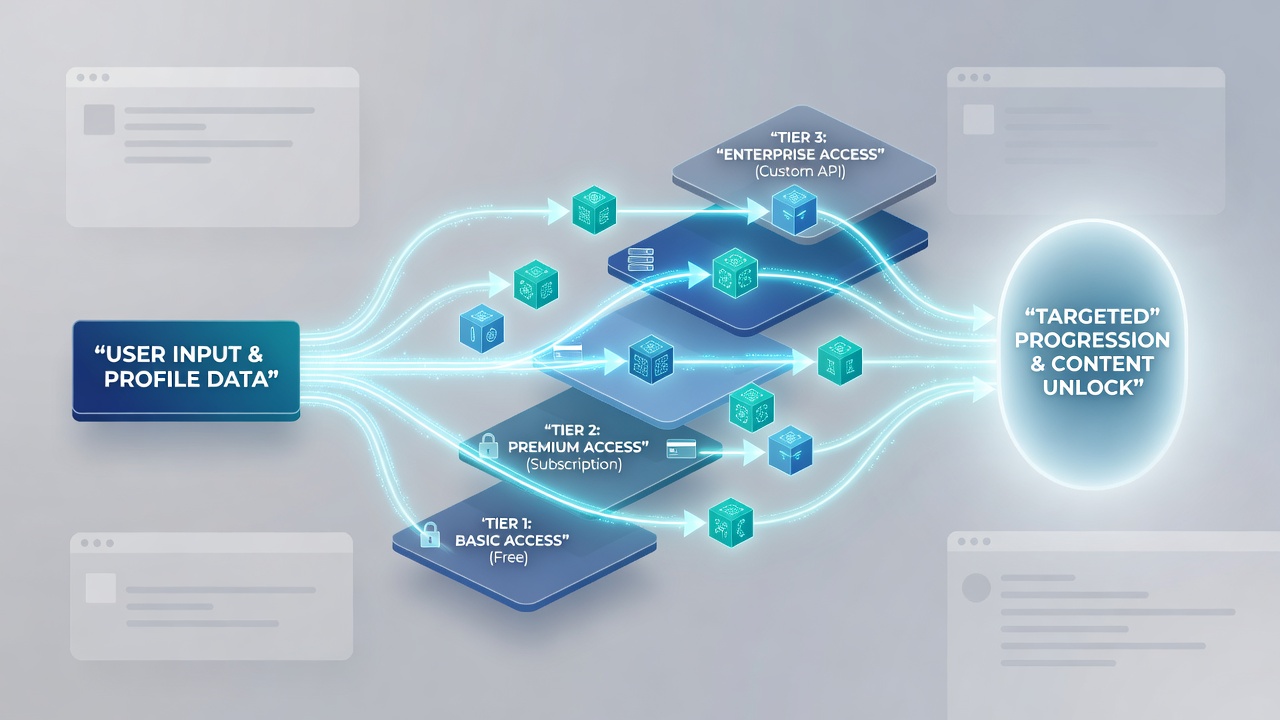
One documented case involves a major browser platform where users who accumulated interaction points within set windows received priority routing to mid-tier content, and this occurred because the algorithm identified patterns consistent with long-term retention goals. Data released in August 2026 by the Australian Communications and Media Authority highlights how such systems adapt during peak usage periods, rerouting participants through alternative tiers to sustain overall platform performance without disrupting individual experiences.
Data Inputs and Decision Frameworks
Matching systems draw from multiple data categories such as behavioral logs, preference indicators, and cross-session comparisons, then feed these into decision trees that output tier recommendations, and the frameworks prioritize efficiency by grouping similar profiles together for optimized content delivery. Researchers have observed that variables like frequency of feature use carry higher weights in certain networks, whereas others emphasize consistency across time periods, resulting in varied progression speeds for different user segments. This approach allows networks to maintain balanced ecosystems where each tier serves distinct functions, and reports from the Canadian Radio-television and Telecommunications Commission show that regulatory reviews of algorithmic transparency have prompted platforms to disclose basic matching criteria in user agreements.
Examples of Route Steering in Practice
Take one browser entertainment service that adjusted its matching parameters in response to user distribution data, and this led to more users entering collaborative tiers after demonstrating consistent solo engagement first. Another instance documented by industry observers involved re-routing through intermediate layers when primary pathways showed congestion, which occurred because the algorithm detected mismatches between expected and actual load levels. These adjustments happen continuously, and they illustrate how layered access depends on real-time recalculations rather than fixed sequences.
Conclusion
Algorithmic matching in browser-based entertainment networks shapes progression by evaluating continuous data streams and assigning users to appropriate tiers based on observed patterns, while the layered structure ensures controlled expansion of access as criteria are satisfied. Reports from sources including academic research groups and regulatory bodies continue to track these developments, and the mechanisms remain central to how platforms manage user flows across expanding digital environments.