Decoding Predictive Modeling Effects on Feature Eligibility Routes in Interactive Digital Entertainment Platforms
Written by Zara Russell · Aug 11, 2026
Decoding Predictive Modeling Effects on Feature Eligibility Routes in Interactive Digital Entertainment Platforms
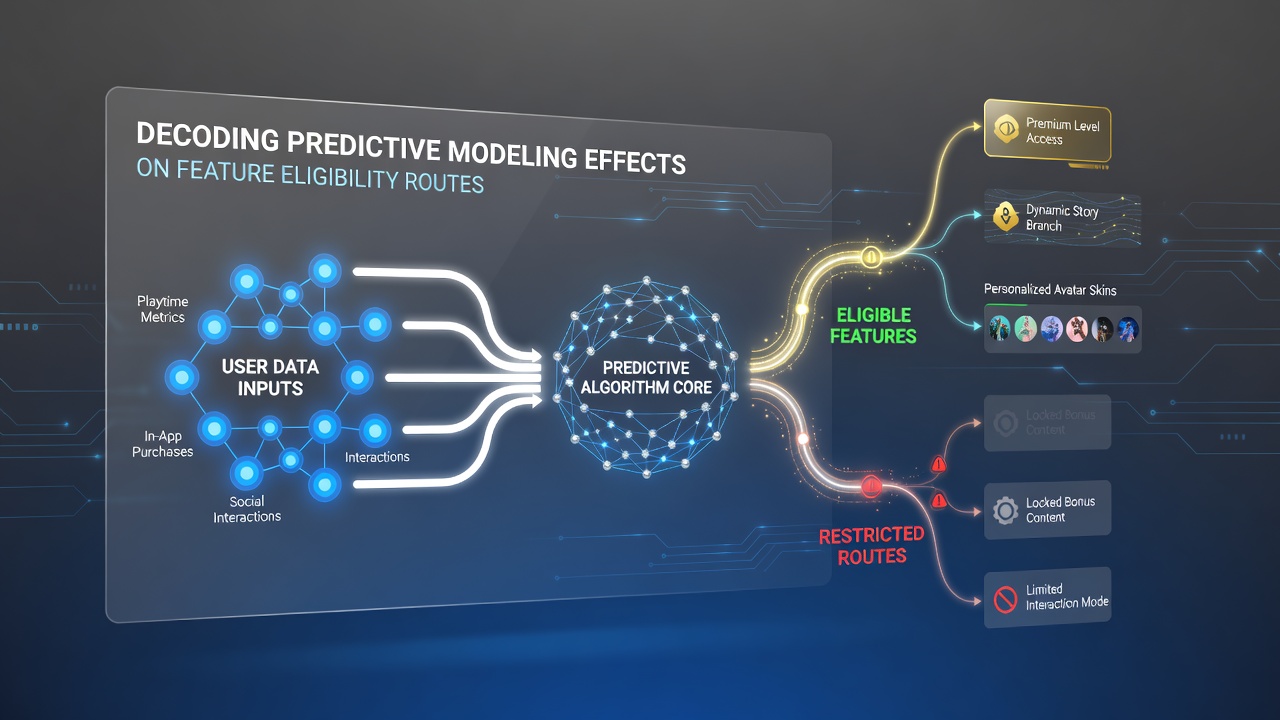
Predictive modeling applies machine learning algorithms to user data sets in order to forecast behavior patterns, and this process directly shapes which features become available along specific eligibility routes within interactive digital entertainment platforms such as video game ecosystems and streaming services. Developers integrate these models to analyze variables including engagement frequency, session duration, and interaction history, then route users toward personalized content unlocks or premium mechanics based on calculated probabilities. Research from academic institutions shows that platforms adjust access thresholds dynamically, creating pathways where high-predicted-value users receive early entry to experimental modes while others follow standard progression sequences.
Core Mechanisms Behind Eligibility Routing
Algorithms process real-time inputs through layered neural networks that assign scores to each account, and these scores determine routing decisions for features ranging from advanced customization tools to collaborative event participation. Data indicates that platforms maintain separate eligibility trees for different user segments, with predictive outputs feeding into decision trees that either accelerate or delay feature activation. Observers note that updates to model parameters occur regularly, often in response to aggregate behavior shifts across millions of active sessions, which in turn alters the criteria for moving between eligibility stages.
Platform Implementation Patterns
Video game developers employ predictive systems to manage access to limited-time events and exclusive in-game assets, while streaming platforms apply similar frameworks to recommendation queues and interactive viewing options. One study revealed that eligibility routes expand or contract according to forecasted retention rates, allowing systems to prioritize resource allocation toward accounts expected to generate sustained activity. Those who have examined code repositories from major providers find that feature flags often tie directly to model outputs, so a single prediction update can reroute thousands of users simultaneously without manual intervention.

Integration occurs at multiple layers, beginning with data ingestion from device sensors and ending with server-side confirmation of unlocked status, and this pipeline ensures that eligibility decisions reflect the most recent model inference. Figures from industry reports demonstrate that platforms testing updated models in limited regions observe measurable changes in feature adoption rates within weeks of deployment. Experts have observed that cross-platform synchronization requires consistent model versioning, otherwise eligibility routes diverge and produce inconsistent user experiences across mobile, console, and web interfaces.
Regulatory and Technical Considerations
Government agencies monitor these systems under existing data protection frameworks, and the European Union's approach to algorithmic transparency requires disclosure of certain model factors that influence eligibility determinations. European Commission documentation outlines obligations for high-risk AI applications in consumer-facing services, which covers predictive routing in entertainment platforms. In parallel, the U.S. Federal Trade Commission has issued guidance on unfair practices involving opaque eligibility systems, emphasizing that consumers must receive clear information about factors affecting feature access. FTC staff reports highlight cases where undisclosed model changes altered user pathways without prior notice.
Technical standards continue to evolve, with organizations such as the IEEE developing guidelines for auditable prediction pipelines that platforms may adopt voluntarily. Data from regulatory filings shows that companies operating across multiple jurisdictions maintain region-specific model variants to align with local requirements, which adds complexity to global eligibility routing infrastructure.
Developments Anticipated by August 2026
Industry analysts project that refined ensemble models will incorporate additional contextual signals by August 2026, potentially expanding the granularity of eligibility routes in both gaming and streaming environments. Regulatory bodies in Canada and Australia have signaled intentions to release updated compliance checklists around that timeframe, which could require platforms to document how predictive outputs map to feature availability decisions. Those tracking patent filings note increased activity around explainable AI techniques that allow users to query the basis for their current eligibility status.
Conclusion
Predictive modeling continues to define feature eligibility routes across interactive digital entertainment platforms through continuous analysis of user data and dynamic routing logic. Technical implementations, regulatory oversight, and planned updates through 2026 together shape how these systems operate at scale. Observers expect further refinement of model transparency measures as platforms balance personalization goals with compliance demands from multiple regions.