Deciphering Oversight Adjustments and Their Ties to Advancement Routes in Digital Play Systems
Written by Devon Lorenz · Jul 21, 2026
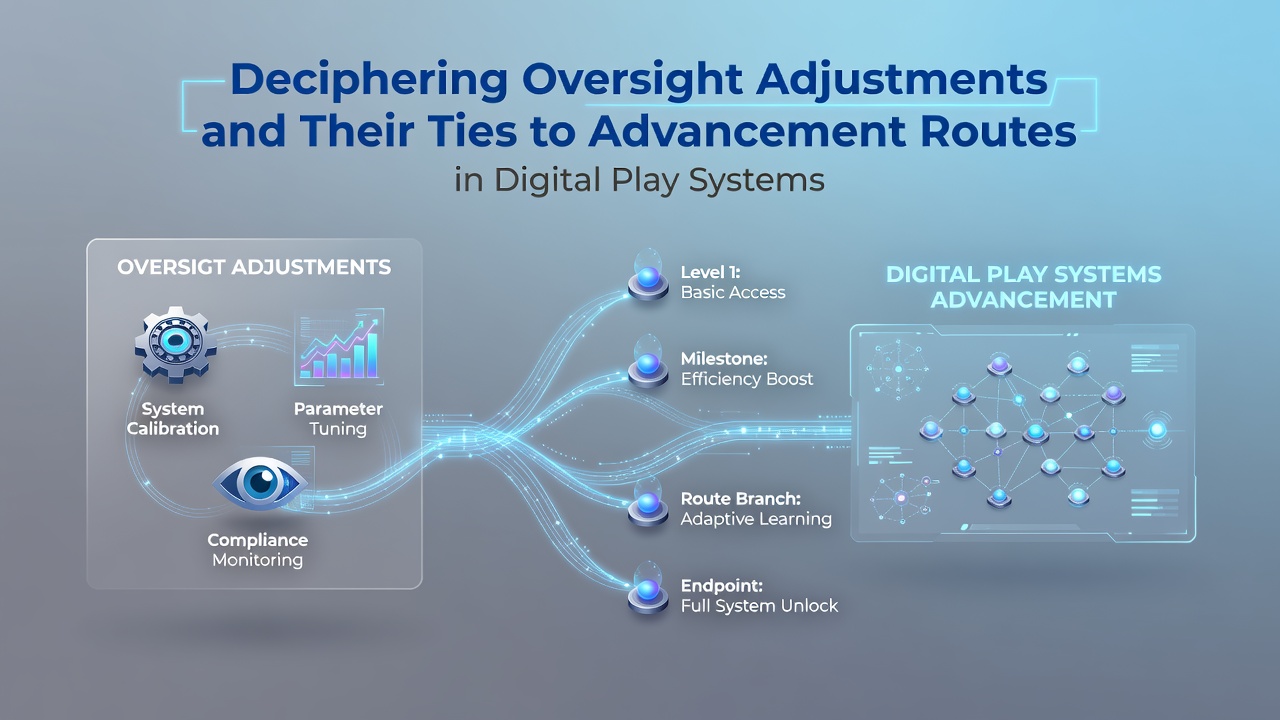
Deciphering Oversight Adjustments and Their Ties to Advancement Routes in Digital Play Systems
Regulatory bodies across multiple jurisdictions continue to refine compliance frameworks that directly influence how players progress through tiered systems in online gaming platforms, and these oversight adjustments often reshape the criteria used to determine access to higher reward levels and exclusive features.
Understanding Oversight Adjustments in Digital Gaming
Agencies such as the U.S. Department of the Treasury have issued updated directives that require platforms to integrate enhanced verification protocols into their loyalty mechanisms, which in turn affects the speed at which users advance from entry-level accounts to premium status. These changes typically involve stricter documentation requirements for transaction histories and play patterns, ensuring that advancement pathways align with anti-money laundering standards while maintaining operational continuity for operators.
Data from industry monitoring services shows that platforms operating under revised guidelines experience measurable shifts in how quickly players unlock benefits, since automated systems now cross-reference activity logs against newly mandated risk thresholds before granting tier upgrades.
Connections Between Compliance Changes and Player Progression
Advancement routes in digital play systems rely on algorithms that track metrics like wager volume, session frequency, and deposit consistency, yet oversight adjustments frequently introduce additional variables such as real-time reporting obligations that operators must satisfy before processing tier elevations. Researchers at institutions including the University of Nevada's International Gaming Institute have documented cases where regulatory updates led to temporary pauses in automated promotions, forcing manual reviews that extend the timeline for players seeking to reach higher loyalty brackets.
Regional Variations in Implementation
European frameworks administered through bodies like the Malta Gaming Authority emphasize risk-based approaches that tie player verification levels to specific advancement milestones, whereas Australian state regulators apply similar principles through venue-specific licensing conditions that influence online extensions of physical casino programs. These differences create varied landscapes where the same player activity might trigger different progression speeds depending on the platform's primary regulatory jurisdiction.
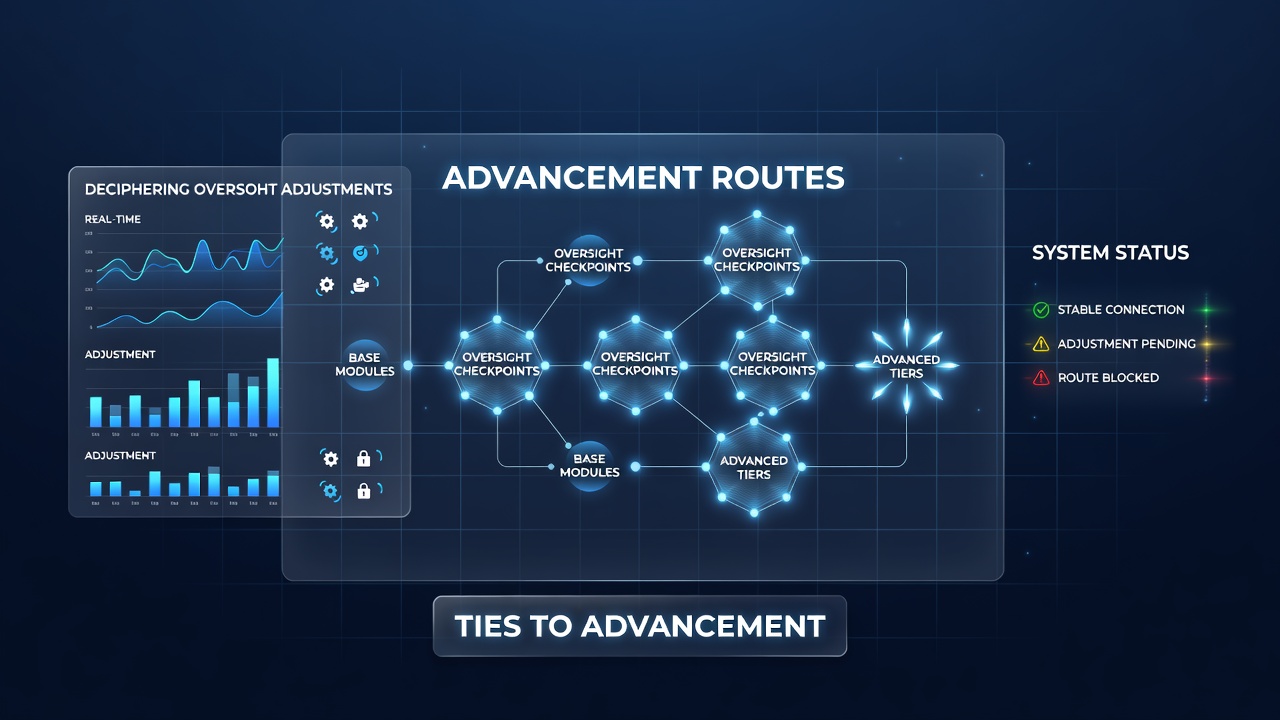
Observers note that July 2026 marks several anticipated implementation dates for updated reporting standards across North American markets, which platforms are preparing for by adjusting their backend systems to accommodate simultaneous compliance checks during tier advancement calculations.
Technical Mechanisms Linking Oversight to Advancement
Modern digital play systems employ layered software architectures where oversight modules interface directly with loyalty engines, and this integration ensures that any flagged activity under new compliance rules automatically influences eligibility for reward escalations. Case studies compiled by gaming technology providers illustrate how certain platforms now embed regulatory checkpoints at every major tier boundary, creating seamless yet mandatory verification steps that players encounter during natural progression.
Evidence from operational reports indicates that these embedded processes reduce instances of delayed approvals while satisfying auditor expectations, though they also require players to maintain consistent documentation trails across multiple sessions.
Impact on Operator Strategies and System Design
Operators respond to oversight adjustments by redesigning their advancement pathways to include predictive analytics that forecast compliance risks before players reach upgrade thresholds, allowing proactive adjustments to reward structures. Trade associations such as the European Gaming and Betting Association have published summaries showing that platforms investing in these adaptive systems report higher retention rates among users navigating the revised routes, since interruptions become less frequent once the technical alignments stabilize.
Those who've examined multiple platform implementations find that successful transitions often involve phased rollouts, where initial changes target lower tiers before expanding to premium levels that carry greater regulatory scrutiny.
Future Considerations for Digital Play Ecosystems
Continued refinement of oversight mechanisms will likely maintain pressure on advancement route designs, pushing developers toward more sophisticated data integration tools that balance regulatory demands with player experience continuity. Academic analyses from Canadian research centers highlight emerging patterns where cross-border platforms synchronize their tier systems with the strictest applicable rules from involved jurisdictions, creating unified pathways that simplify compliance across regions.
Conclusion
The interplay between oversight adjustments and advancement routes in digital play systems reflects ongoing efforts by regulators and operators to align player progression with evolving compliance requirements, and these connections will continue shaping how users experience tiered rewards in the years ahead. Platforms that effectively map these relationships position themselves to handle future regulatory shifts without disrupting established loyalty structures.