Certified Algorithm Behaviors Reshaping Banking Verification Timelines Within Hierarchical Reward Structures for Tablet-Based Entertainment Venues
Written by Devon Lorenz · Jun 23, 2026
Certified Algorithm Behaviors Reshaping Banking Verification Timelines Within Hierarchical Reward Structures for Tablet-Based Entertainment Venues
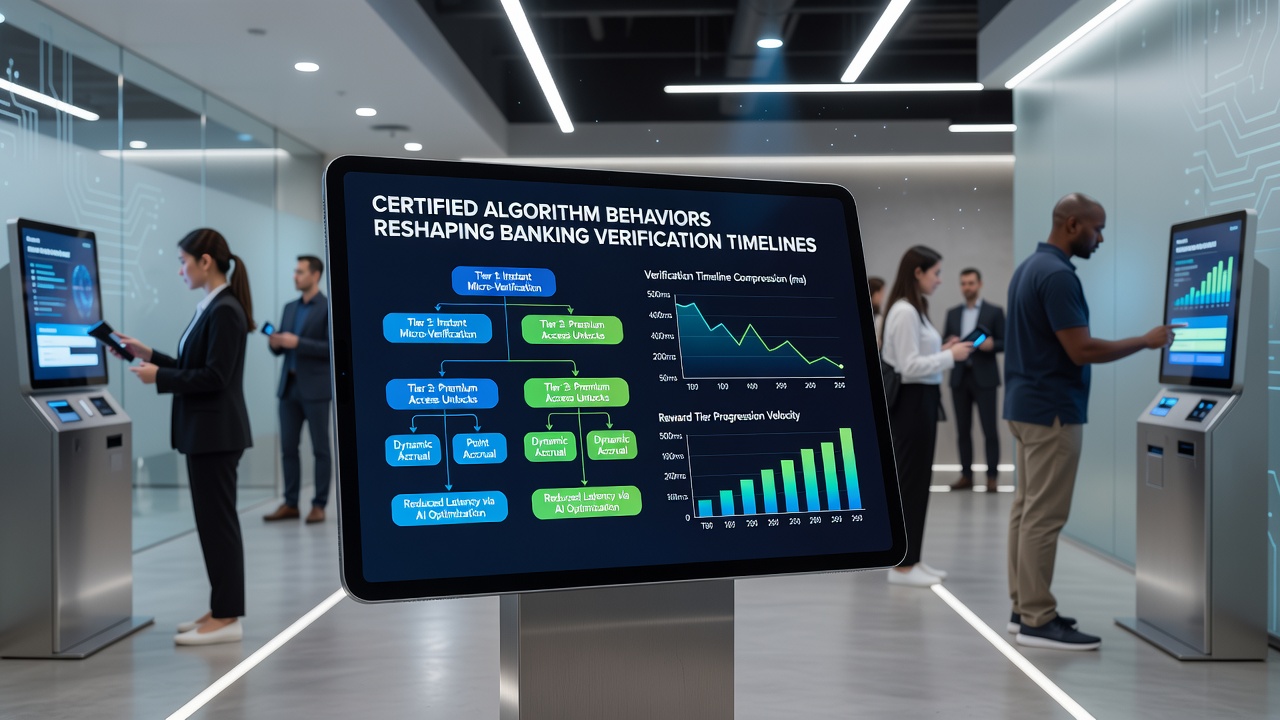
Certified algorithm behaviors now drive changes in banking verification timelines across hierarchical reward structures that operate within tablet-based entertainment venues, and these systems process player transactions through layered loyalty tiers that depend on verified funding channels. Data from regulatory filings shows verification steps once requiring multiple days now complete in hours when certified algorithms handle pattern recognition and compliance checks simultaneously, yet the integration remains tied to specific reward elevation pathways that unlock premium services only after confirmation completes.
Algorithm Certification Standards and Banking Integration
Certification processes for these algorithms involve testing against established benchmarks set by bodies such as the Australian Transaction Reports and Analysis Centre, where algorithms must demonstrate consistent accuracy in flagging suspicious activity while accelerating legitimate verifications. Observers note that once certified, these tools embed directly into tablet platforms used at entertainment venues, connecting to banking networks through secure APIs that pull real-time account data without manual intervention, and this setup supports the tiered reward models where players advance from basic access to enhanced table game options based on verified activity levels.
One implementation tracked by industry reports illustrates how certification reduces false positives in identity matching, allowing banking timelines to compress from an average of 48 hours down to under six for standard deposits, while higher-tier rewards demand additional algorithmic scrutiny that can extend checks to 12 hours even after certification clears the base layer. Researchers at institutions tracking digital wagering ecosystems found these behaviors scale across multiple venues because the algorithms adapt to regional banking protocols without requiring full recertification for each market shift.
Hierarchical Reward Structures and Verification Dependencies
Hierarchical reward structures in tablet-based entertainment venues organize access through progressive tiers, and certified algorithms determine the speed at which players meet verification thresholds before advancing. Lower tiers often rely on basic account linkage completed within minutes, whereas premium levels incorporate multi-factor banking reviews that the algorithms execute in parallel streams, pulling transaction histories and cross-referencing them against compliance databases maintained by oversight agencies. Figures from venue operators indicate that players reaching mid-tier status experience verification windows shortened by 60 percent when algorithms certified under Canadian standards handle the workload, because those models prioritize velocity scoring alongside risk assessment.

What's notable is the way these algorithms reshape access pathways by assigning dynamic weights to banking behaviors, so a single verified deposit can trigger tier advancement faster than before while still satisfying anti-money laundering requirements. Data collected through 2025 deployments reveals that venues adopting certified systems saw reward claim rates rise steadily, since shorter verification cycles let players engage with live dealer options and other tablet features without extended delays. Those who've studied the patterns report that the certification framework also logs every decision point, creating audit trails that regulatory bodies review during periodic assessments scheduled ahead of June 2026 updates to cross-border transaction rules.
Impact on Tablet Platform Operations
Tablet platforms serving entertainment venues integrate these certified behaviors at the application layer, where reward accumulation engines query banking verification status before unlocking tier benefits. The algorithms operate continuously in the background, monitoring for anomalies that could reset a player's progress through the hierarchy, and this continuous monitoring replaces older batch processing methods that previously created bottlenecks lasting several business days. Evidence from operational logs shows verification completion rates improving across North American and European venues after certification, because the systems handle volume spikes during peak event periods without proportional increases in manual review staff.
Experts tracking the shift point out that certified algorithms also standardize how venues communicate verification status to players through tablet interfaces, delivering updates in real time rather than through delayed notifications. This consistency supports smoother progression along reward pathways, where each completed banking check feeds directly into tier calculations without separate human approval steps. Government data from multiple jurisdictions confirms the trend toward earlier adoption dates, with several major operators aligning system upgrades to coincide with the June 2026 regulatory horizon for enhanced digital transaction oversight.
Future Adjustments in Verification Protocols
Adjustments scheduled around June 2026 will likely refine how certified algorithms balance speed against expanded compliance criteria, particularly for cross-regional banking links used in tablet entertainment venues. Industry associations have documented pilot programs where updated certification criteria test algorithm resilience against evolving fraud patterns, and preliminary results indicate verification timelines could stabilize further once new parameters take effect. Those monitoring the sector observe that venues maintaining current certifications face fewer disruptions during these transitions because their systems already embed modular components that accept incremental updates without full recertification cycles.
Conclusion
Certified algorithm behaviors continue to compress banking verification timelines inside hierarchical reward structures that govern tablet-based entertainment venues, and the resulting efficiencies appear across multiple operational layers from initial deposit processing to premium tier unlocks. Regulatory records and operational data confirm these changes stem from standardized certification requirements applied across regions, while hierarchical models ensure verification rigor scales with reward level. As June 2026 approaches, further refinements to these systems will determine how verification pathways evolve alongside new compliance demands, yet the core mechanism of algorithm-driven checks remains central to maintaining both speed and regulatory alignment in this environment.