Analyzing How Game Volatility Impacts Access to Premium Services in Mobile Gambling Applications
Written by Xander Lang · May 23, 2026
Analyzing How Game Volatility Impacts Access to Premium Services in Mobile Gambling Applications
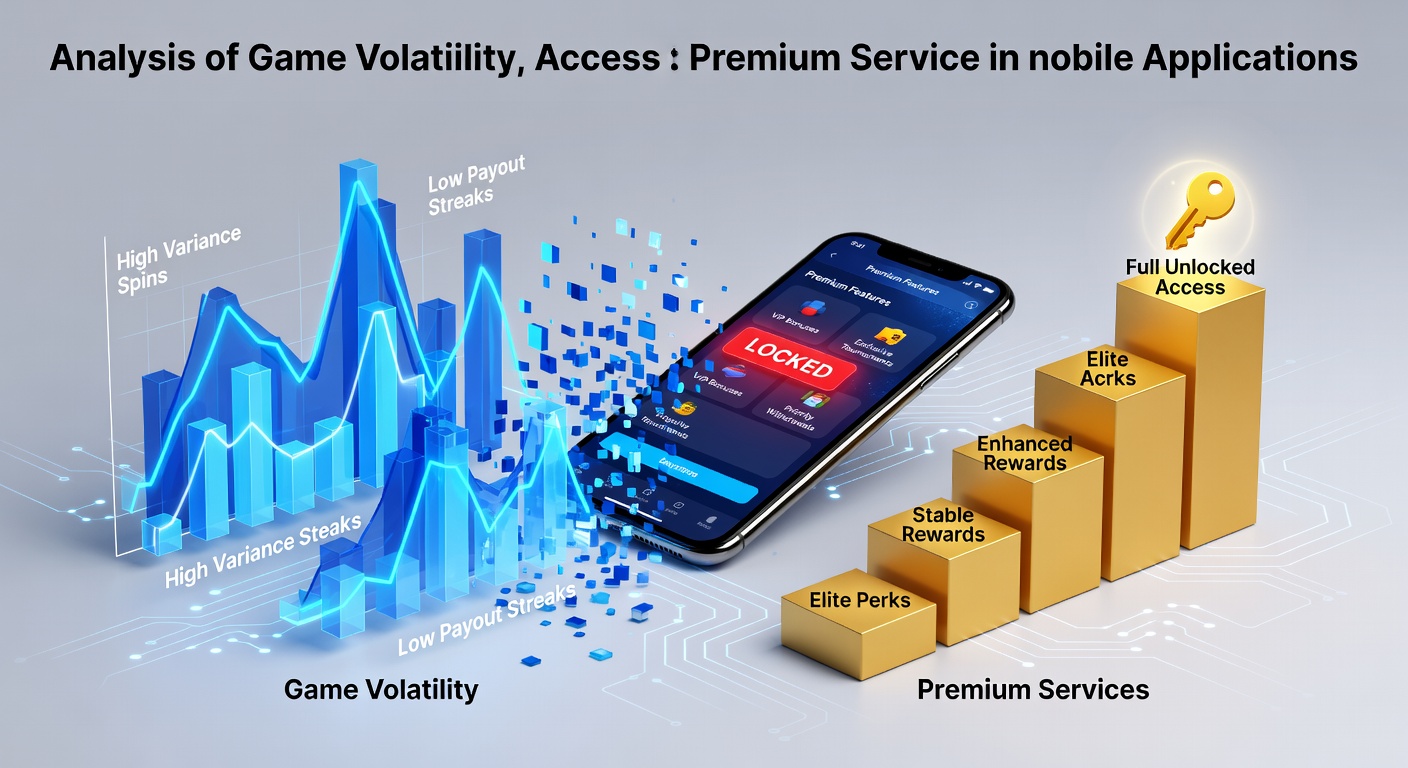
Game volatility refers to the frequency and size of payouts in gambling titles, particularly slots and certain table variants found in mobile applications, while premium services encompass loyalty rewards, VIP lounge access, and expedited withdrawals that operators extend to high-volume users. Observers note that these two elements intersect in ways that shape player progression through tiered programs, since volatility influences session length, deposit patterns, and overall spend velocity across portable platforms.
Defining Volatility in Mobile Contexts
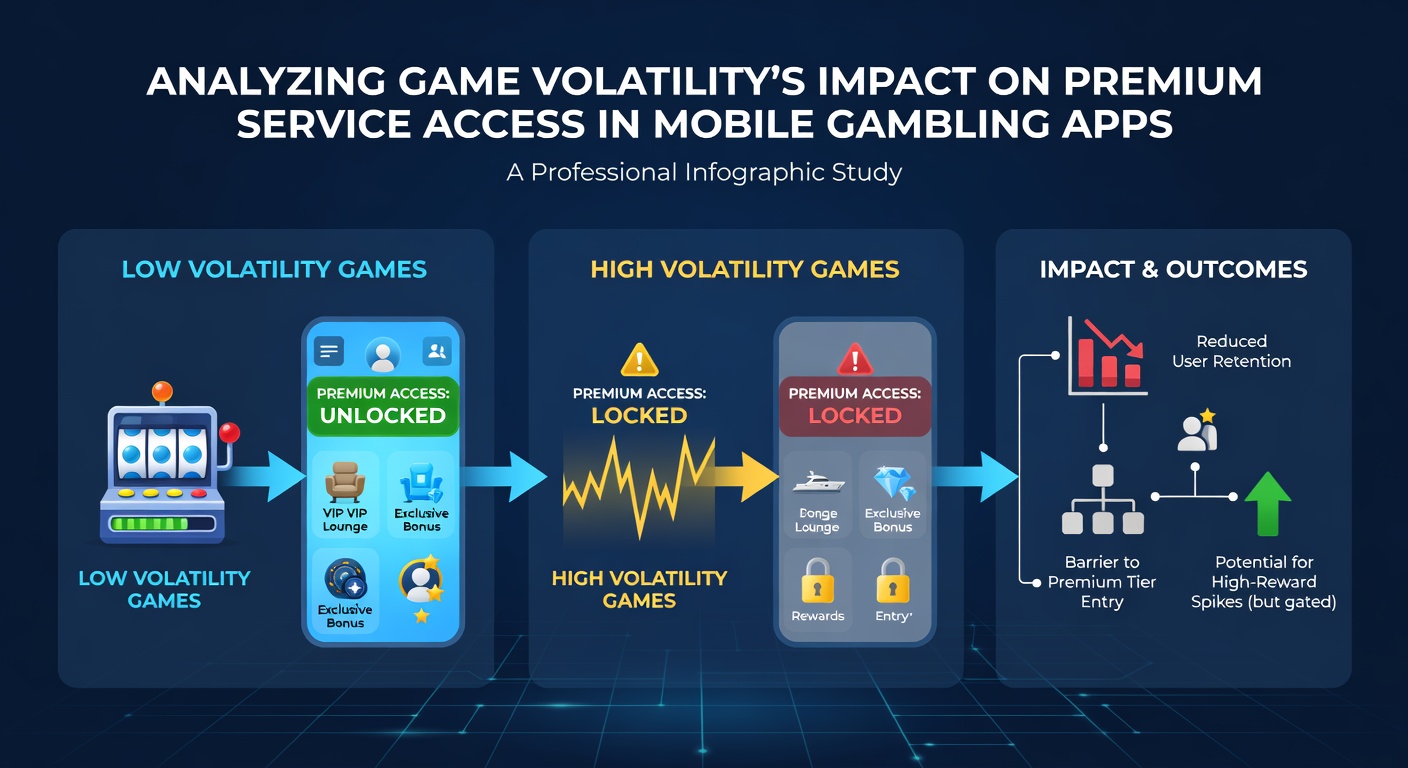
High-volatility games deliver infrequent but substantial returns, whereas low-volatility options produce smaller, steadier outcomes that extend playtime. Research from academic institutions shows that mobile users gravitate toward high-volatility titles when chasing rapid tier advancement, because larger single wins can accelerate the accumulation of loyalty points required for premium status. In contrast, low-volatility selections support consistent but gradual point accrual that may delay entry into higher service brackets.
Data compiled by regional gaming authorities indicates that volatility metrics appear in game descriptions within many licensed apps, yet their presentation varies by jurisdiction. Those metrics help players anticipate bankroll swings that directly affect how quickly they meet minimum activity thresholds for VIP invitations.
Player Behavior and Spending Patterns
Mobile gambling sessions often last between 15 and 45 minutes, according to aggregated telemetry from app analytics firms, and volatility determines whether those sessions end in early cash-outs or prolonged engagement. High-volatility titles encourage larger individual bets when users attempt to trigger bonus rounds that multiply loyalty multipliers, thereby pushing total handle higher within shorter windows. This pattern can fast-track qualification for premium services such as dedicated account managers and personalized cashback offers.
Low-volatility games, by comparison, sustain longer sessions at modest stakes, which builds steady point totals without dramatic spikes. Industry reports reveal that operators adjust bonus structures to reward either approach, yet the speed of access to premium features remains tied to overall volume rather than volatility preference alone.
Volatility Metrics and Tier Qualification
Premium service thresholds typically combine deposit volume, game type participation, and active days within a calendar period. Studies from university research centers demonstrate that players favoring high-volatility content reach these thresholds in fewer sessions when wins align, while those selecting low-volatility options require more frequent logins to achieve equivalent totals. Mobile operators have responded by embedding volatility filters in game lobbies, allowing users to sort titles by risk profile and thereby plan progression routes toward VIP benefits.
Regulatory updates scheduled for implementation in May 2026 in several North American markets will require apps to display standardized volatility labels alongside return-to-player percentages. This change aims to give users clearer expectations before they commit funds that count toward premium qualification.
Regional Regulatory Influences
Figures from the Nevada Gaming Control Board illustrate how volatility disclosure rules already affect mobile title approvals, with operators required to submit mathematical models that confirm payout distributions before release. Similar frameworks in Canadian provinces and Australian states impose comparable testing, which indirectly shapes the mix of high- and low-volatility games available to users pursuing premium rewards. Those who track regulatory filings observe that titles with extreme volatility sometimes carry higher minimum bet requirements, further influencing the rate at which players accumulate qualifying activity.
Industry associations such as the American Gaming Association have published guidance encouraging transparent volatility communication, noting that clearer information correlates with more predictable player movement through loyalty programs.
Case Examples from Market Data
One analysis of aggregated app store data revealed that mobile titles labeled high-volatility accounted for 38 percent of total handle among users who advanced to top-tier VIP status within a six-month window. Players who mixed volatility levels showed intermediate progression speeds, suggesting that strategic selection of game types can optimize access timelines to premium services without increasing overall expenditure.
Another dataset from European operators highlighted that low-volatility games dominated play among users who maintained steady monthly deposits yet reached premium thresholds more slowly due to lower per-session point multipliers.
Conclusion
Volatility functions as a measurable variable that interacts with loyalty algorithms to determine how quickly mobile users gain entry to premium services. Regulatory developments slated for 2026 will likely standardize how this variable appears to players, potentially refining the pathways operators use to grant VIP benefits across different markets. Continued monitoring of these dynamics provides insight into the operational mechanics that connect game design choices with service tier progression.